
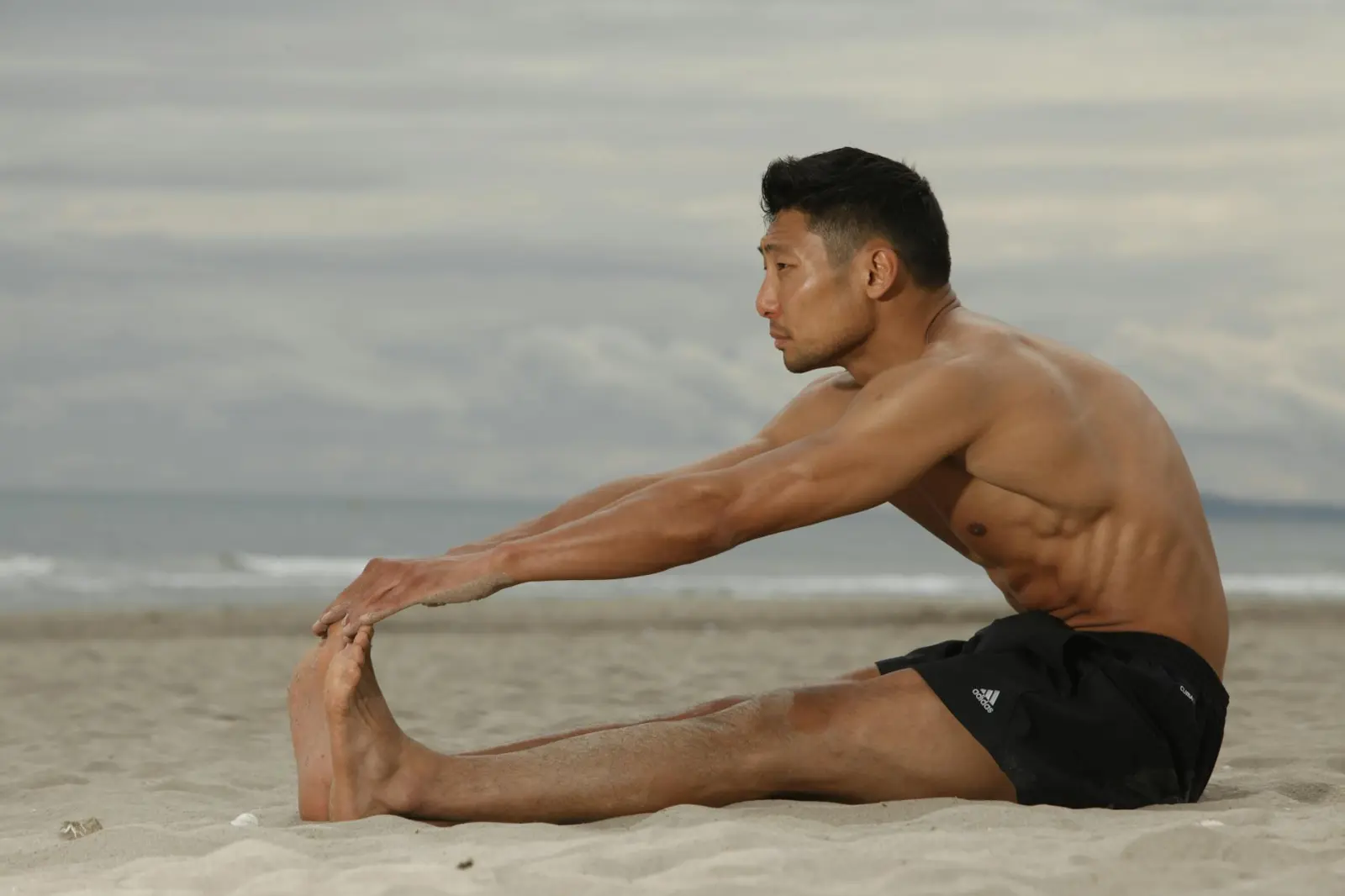
Many people embark on a fitness journey with the hope of achieving defined abs, often envisioning a perfect six-pack. However, through years of observing various fitness routines and body types, it’s evident that not everyone will reach that goal, regardless of their dedication in the gym. A variety of factors come into play, and they often intertwine in ways that can be surprising.
Genetics is a significant factor that influences how our bodies store fat and develop muscle. Some individuals may naturally have a body composition that favors a four-pack appearance rather than a six-pack. This isn’t necessarily a reflection of one’s effort or commitment; it’s often just how the body is designed. Muscle structure, including the arrangement and number of muscle bellies in the rectus abdominis, can vary widely among individuals.
In my experience, the visibility of abdominal muscles is largely affected by body fat percentage. For many, achieving a low enough body fat percentage to showcase a full six-pack requires not only rigorous training but also careful attention to diet and overall lifestyle. This is where habits come into play. Consistency in nutrition and exercise routines can lead to gradual changes, but the results often depend on individual biology. Some might find that they can achieve a leaner physique with a four-pack, while others may struggle to reveal those lower abs.
Moreover, the type of training matters. Certain exercises may target different areas of the core more effectively, but without a holistic approach that includes cardiovascular fitness and strength training, some may find their efforts yield limited results. It’s not uncommon to see individuals who train hard but still have a layer of fat obscuring their abs, often due to lifestyle choices or metabolic factors.
In the long run, understanding these elements can help set realistic expectations. While the pursuit of a six-pack can be motivating, it’s essential to recognize that variations in anatomy and fat distribution are normal. Instead of fixating solely on appearance, focusing on overall fitness and well-being can provide a more fulfilling approach to health. After all, the journey to fitness is about more than just aesthetics; it encompasses strength, endurance, and personal growth.