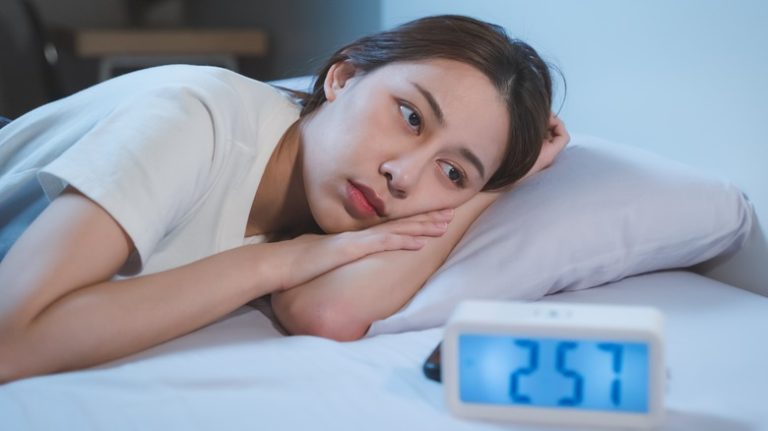

The Allure of Screens
One of the first things I realised was how much time I spent on my phone or laptop right before bed. The blue light emitted from screens is notorious for disrupting our circadian rhythms. I found myself glued to social media or catching up on emails, thinking I was just winding down. But instead, I was actually stimulating my brain and making it harder to transition into sleep mode. A study by the University of California found that blue light exposure in the evening can significantly delay the onset of sleep and reduce overall sleep quality. I decided to experiment with putting my devices down an hour before bedtime, and the difference was remarkable. Suddenly, I was able to drift off more easily and wake up feeling refreshed.
Late-Night Snacks
Another habit that crept into my routine was the late-night snack. I convinced myself that a few biscuits or a bowl of cereal wouldn’t hurt, but I quickly learned otherwise. Eating too close to bedtime can lead to discomfort and indigestion, which are hardly conducive to a peaceful night’s sleep. I remember one night in particular when I indulged in a hefty slice of chocolate cake just before bed. I tossed and turned all night, feeling uncomfortable and restless. Research indicates that heavy or rich foods can disrupt sleep patterns and lead to a poorer quality of sleep. Now, I make it a point to finish eating at least two to three hours before bedtime, opting for lighter snacks earlier in the evening if I feel peckish.
Stress and Overthinking
As someone who tends to overthink, I often found myself lying in bed, replaying the day’s events or worrying about what tomorrow would bring. This mental chatter can be incredibly damaging to sleep quality. According to the Sleep Foundation, stress and anxiety can lead to increased heart rates and a heightened state of alertness, making it harder for the body to relax. To combat this, I started a simple journaling practice. Each night, I spend a few minutes writing down my thoughts and feelings, which helps clear my mind and reduces the mental clutter that often keeps me awake. It’s amazing how much lighter I feel after putting my worries on paper, allowing me to drift off more peacefully.
Inconsistent Sleep Schedule
My sleep schedule used to resemble a rollercoaster, with late nights and sleep-ins on weekends. I thought I could compensate for lost sleep during the week by sleeping in, but I soon realised this inconsistency was wreaking havoc on my body’s internal clock. Research from the American Academy of Sleep Medicine highlights the importance of a regular sleep schedule for maintaining healthy sleep patterns. I decided to commit to going to bed and waking up at the same time every day, even on weekends. It took some time to adjust, but now my body knows when it’s time to wind down, and I feel more energised during the day.
Rituals Matter
In my journey to improve my sleep, I discovered the significance of bedtime rituals. I used to think that simply collapsing into bed was enough, but I learned that creating a calming pre-sleep routine can signal to my body that it’s time to relax. I now incorporate activities like reading a book, practising gentle stretches, or even sipping on herbal tea to help me unwind. According to sleep experts, establishing a consistent wind-down routine can help lower stress levels and promote better sleep quality. Finding what works for me has been a game changer, transforming my approach to bedtime from chaotic to serene.
Reflecting on my journey, I’ve come to realise that small changes can make a significant difference in my sleep quality. By becoming more aware of my habits and making intentional adjustments, I’ve been able to reclaim my nights. It’s not about perfection; it’s about recognising the patterns that work against us and taking steps to create a more restful environment for sleep. As I continue to explore what helps me sleep better, I encourage anyone struggling with similar issues to pay attention to their nightly routines. Sometimes, the most subtle shifts can lead to the most profound changes in our well-being.