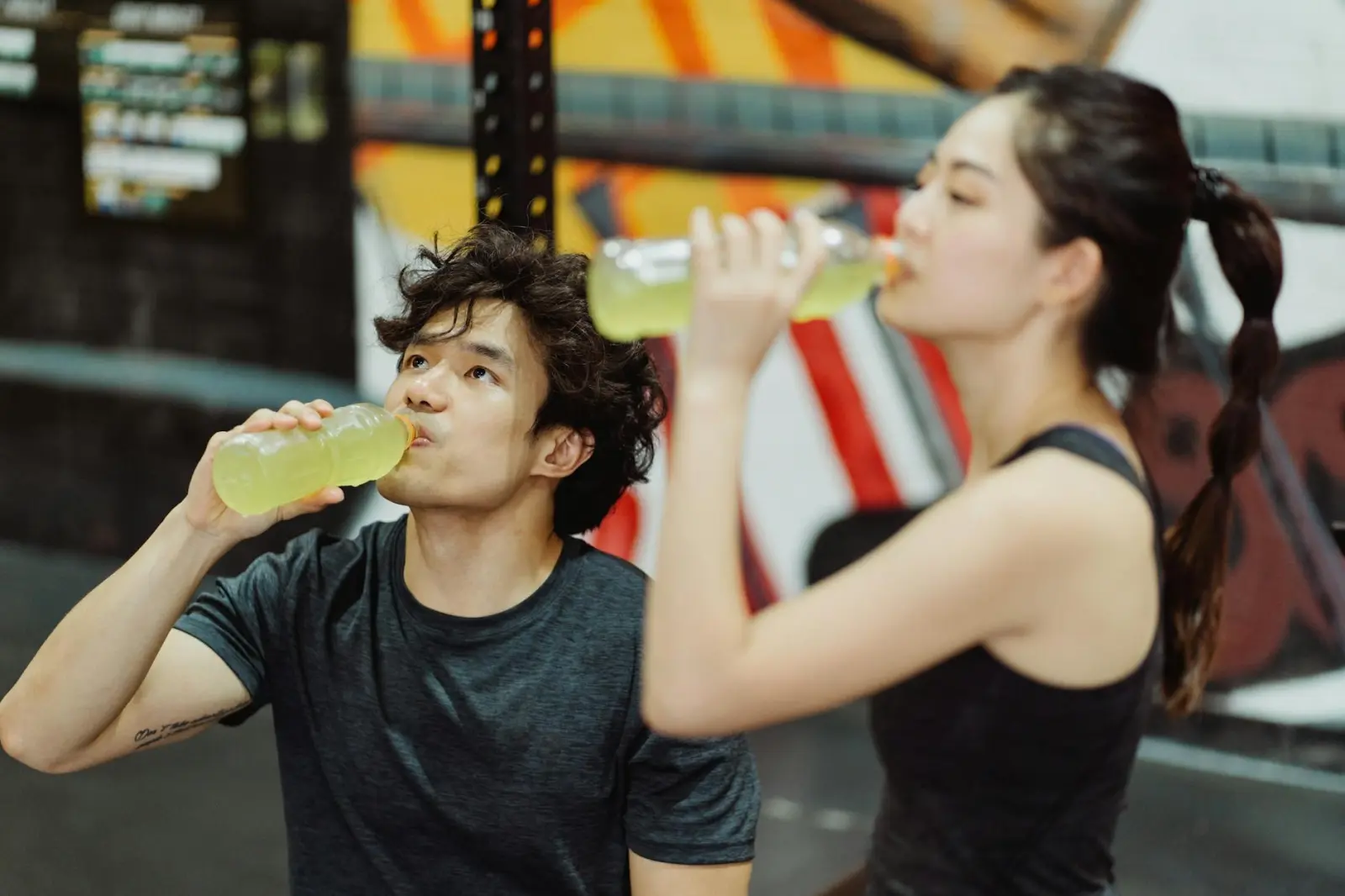
A few years ago, I stood in the supermarket aisle staring at two options: a bottle of regular cola with 39 grams of sugar, or a sleek Bai drink with zero sugar and only 10 calories. The choice seemed obvious. I grabbed the Bai, felt slightly smug about my “healthier” decision, and moved on. But over time, as I kept buying them – sometimes multiple bottles a week – I started wondering if I was actually making a smart choice or just fooling myself with marketing.
I’m not a nutritionist or a scientist. I’m just someone who’s spent enough time thinking about what goes into my body to recognise when something doesn’t quite add up. So I decided to dig into what Bai drinks actually are, what they claim to be, and whether they deserve the health halo I’d been giving them.
The Story Behind the Bottles
Bai’s origin story is genuinely interesting. Ben Weiss created these drinks in his basement back in 2009 with a specific mission: to offer something that tasted good but didn’t come loaded with sugar and calories like traditional soft drinks. The company blew up fast, and by 2016, the Dr. Pepper Snapple Group (now Keurig Dr Pepper) bought them for $1.7 billion. That’s a massive valuation, which tells you something about how many people saw these drinks as a legitimate alternative to sugary sodas.
What struck me when I looked into this was how genuinely appealing the concept is. Most of us recognise that regular soda is basically liquid sugar – we know it’s not great for us, but we like how it tastes. Bai seemed to solve that problem. The drinks are brightly coloured, come in fun flavours like Coconut Mango and Pomegranate Blueberry, and they taste sweet without the sugar crash. For someone like me, who enjoys flavoured drinks but doesn’t want to consume 40 grams of sugar in one sitting, they felt like a win.
What’s Actually in These Drinks
Here’s where I had to get honest with myself. Bai drinks are sweetened primarily with erythritol and stevia – both sugar substitutes. On the surface, this sounds fine. No sugar means no blood sugar spike, right? But I started noticing something: I was drinking these bottles without really thinking about it, sometimes having two or three in a day. The fact that they’re “zero sugar” seemed to give me permission to consume them more freely, which is a psychological trap I fell into.
The other thing I discovered is that Bai drinks contain caffeine – usually around 35 milligrams per bottle, depending on the variety. I hadn’t really registered this at first because I was thinking of them as casual refreshments, not as caffeinated beverages. When I started tracking my total caffeine intake across the day (coffee in the morning, a Bai in the afternoon, maybe tea in the evening), I realised I was consuming more than I’d intended. For me, this meant occasional jitteriness and sometimes trouble sleeping if I drank one too late in the day.
Bai drinks also contain various ingredients like antioxidants, B vitamins, and what they call “proprietary blends.” I appreciate that they’re trying to add nutritional value, but I’ve learned to be sceptical of vague language like “proprietary blend.” It often means the company isn’t being entirely transparent about quantities or exact ingredients.
The Sugar Substitute Question
This is where my thinking has genuinely evolved. For years, I assumed that any sugar substitute was automatically better than actual sugar. But the more I’ve read and observed, the more nuanced this becomes. Erythritol and stevia are generally recognised as safe by regulatory bodies, and they don’t spike blood sugar the way regular sugar does. That’s factually true.
However – and this is important – I’ve noticed that regularly consuming artificially sweetened drinks hasn’t made me feel better or healthier. Some research suggests that artificial sweeteners might affect how our bodies regulate appetite or process sweet tastes, though this is still an evolving area of science. What I’ve observed in my own behaviour is that drinking Bai doesn’t satisfy my craving for something sweet the way a piece of fruit does. I often find myself reaching for another drink shortly after finishing one, which suggests my body isn’t getting the satiation signal it needs.
There’s also the broader question of habit. I’ve noticed that regularly consuming sweet-tasting beverages – even zero-sugar ones – keeps my taste preferences calibrated toward sweetness. When I’ve taken breaks from drinking Bai and other sweetened drinks, I’ve found that regular water tastes better to me, and I crave sweet things less overall. That’s been a useful observation about my own patterns.
Are They Better Than Regular Soda? Yes, But That’s Not the Whole Picture
Let me be clear: if you’re choosing between a regular cola with 39 grams of sugar and a Bai drink, the Bai is objectively the better choice in that moment. You’re avoiding a significant sugar load, which has real health implications. I’m not here to tell you that Bai drinks are secretly terrible or that you should never drink them.
But here’s what I’ve come to understand: just because something is better than a worse option doesn’t make it good. It’s better than soda, sure. But it’s not a health drink in the way that, say, water or herbal tea is. It’s a processed beverage with sweeteners, caffeine, and various additives. The marketing positioning – and my own initial perception – made it seem like something I could drink guilt-free and regularly. That’s where I think the real issue lies.
What I Actually Do Now
My relationship with Bai drinks has become much more intentional. I still have them occasionally – maybe once or twice a week – but I’m no longer buying them in bulk or treating them as my default beverage choice. I’ve recognised that I was using them as a psychological workaround: I wanted the experience of drinking something flavourful and slightly indulgent, and Bai felt like a consequence-free way to do that.
What’s worked better for me is being more deliberate about my beverage choices overall. Most days, I drink water. When I want something with flavour, I might have herbal tea, or I’ll add fresh lemon or cucumber to water. On occasions when I really want something sweet and fizzy, I’ll have a Bai drink without the mental gymnastics of pretending it’s a health product. It’s a treat, not a staple.
The bigger lesson I’ve taken from this is recognising how marketing shapes our perception of health. Bai drinks are genuinely better than many alternatives, and that’s what gets emphasised. But “better than soda” and “actually good for you” are different things, and I’d been conflating them. Now I try to ask myself: am I choosing this because it genuinely aligns with my health goals, or because it feels like a shortcut to making a healthy choice?
If you enjoy Bai drinks, there’s no need to eliminate them entirely. But I’d encourage you to be honest about how often you’re having them and whether they’re replacing other beverages that might serve you better. Sometimes the healthiest choice isn’t the one that’s been marketed most cleverly – it’s the one that actually makes you feel good and fits into your life in a sustainable way.