
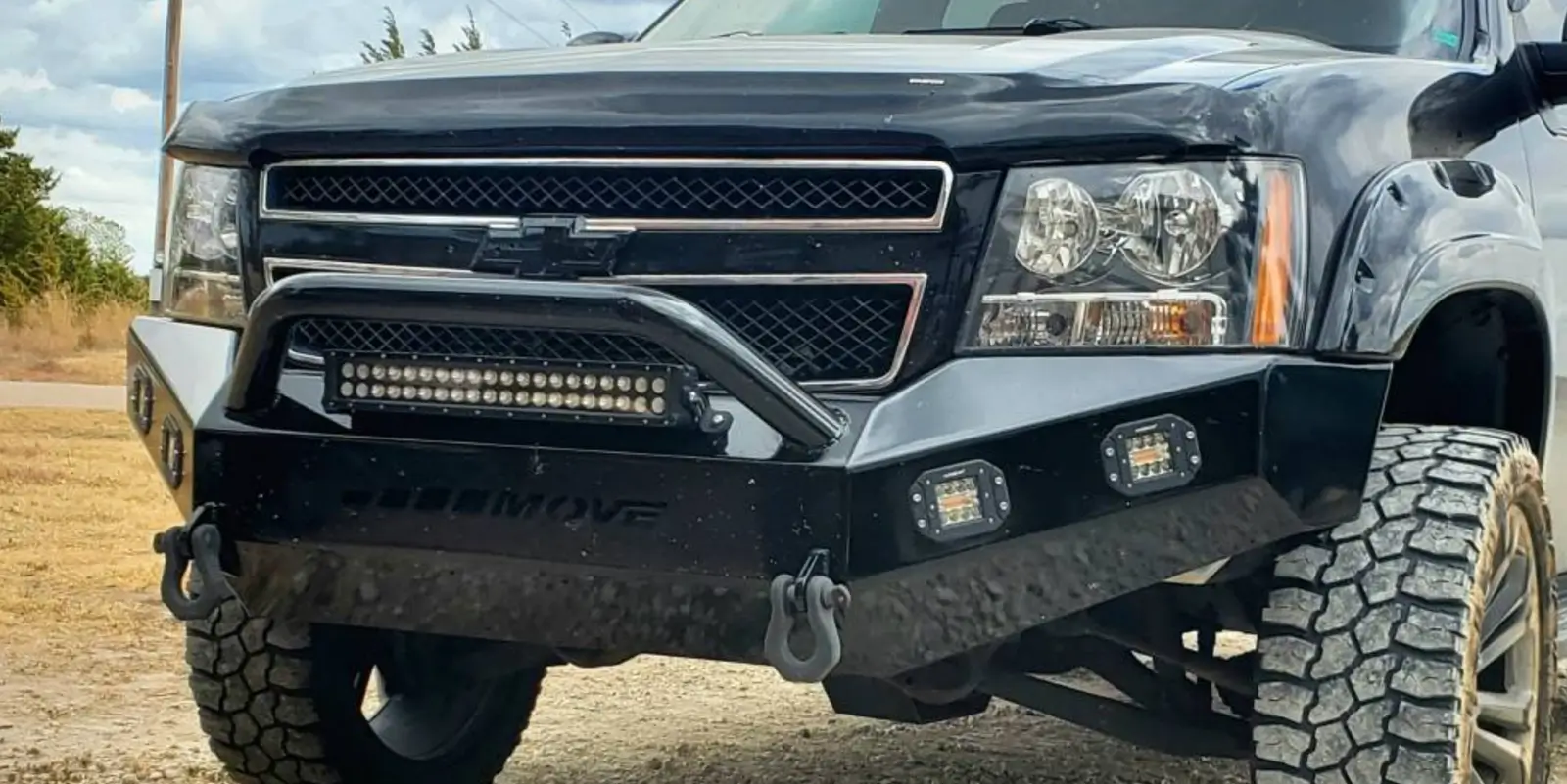
A Suburban bull bar is more than a styling add-on. It’s a frame-mounted protection upgrade that helps defend your Chevy Suburban from road debris, low-speed impacts, and harsh driving conditions. This guide explains how bull bars work, what to look for in materials and mounting, how they compare to push bars and bumper guards, and how to avoid common fitment mistakes.
The Chevy Suburban is built for distance and duty. It’s a full-size SUV that routinely sees highway miles, towing loads, winter roads, and long days with passengers and cargo. But modern front ends are not “old-school metal” anymore. They’re layered systems: bumper cover, reinforcement, energy absorbers, grille assemblies, cooling stack, sensors, cameras, radar zones, wiring, and lighting. That packaging is efficient, but it’s also expensive when something goes wrong.
That’s why front protection makes sense on a Suburban. Even a small hit can crack a grille, break a headlight mount, bend brackets, or damage cooling components. A properly engineered Suburban Bull Bar adds a first-contact structure that helps absorb and redirect impact forces away from the fragile parts that cost the most to replace.
What a Bull Bar Actually Does
A bull bar is a tubular (or formed) structure designed to mount to the vehicle’s frame or reinforced mounting points. Its primary job is simple: take the initial contact and distribute force across stronger areas of the chassis. In real terms, it helps protect the center impact zone: bumper face, lower grille, and the components immediately behind them.
The key concept is load distribution. Without protection, impact energy concentrates on plastic and thin brackets. With a frame-mounted bar, that load is spread into mounting points designed to handle stress. That doesn’t make the Suburban “invincible,” but it changes the outcome of common scenarios: road debris strikes, brush contact, minor parking impacts, and low-speed bumps that would otherwise become expensive fixes.
Why the Suburban Is a Prime Candidate for Front-End Protection
Suburbans tend to live real lives. They haul families, tow boats or trailers, and operate as work vehicles. They also carry momentum. A heavy SUV doesn’t need a high-speed crash to create damage; weight alone can turn low-speed contact into a cracked fascia, broken light, or bent mounting panel. When you add modern lighting costs and sensor complexity, “minor damage” is no longer minor.
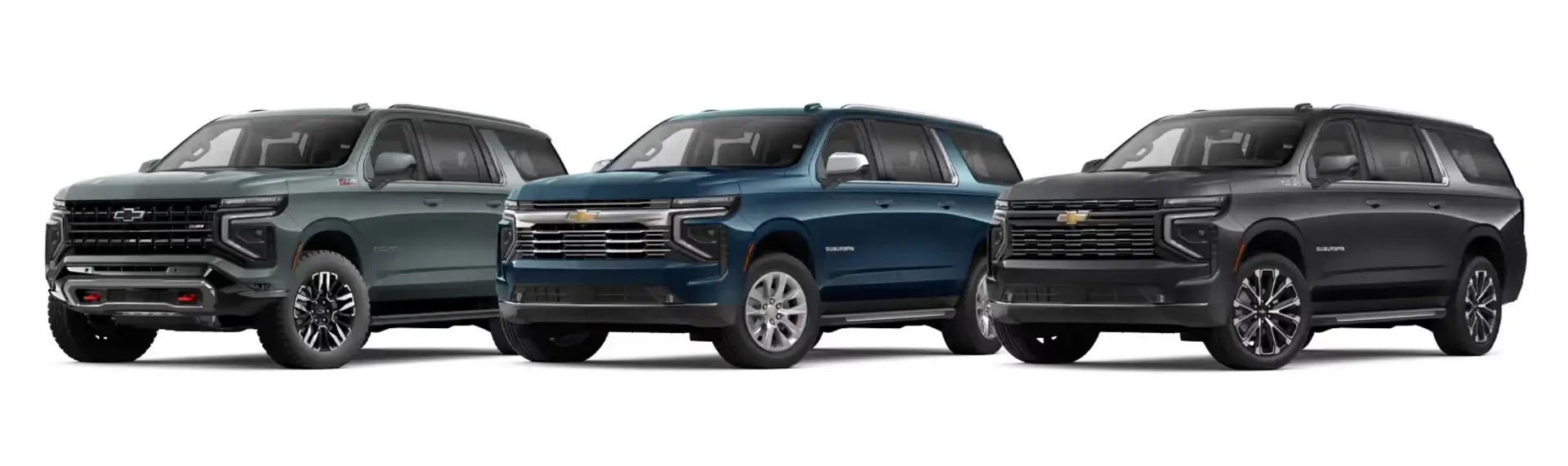
A bull bar is preventative engineering. It’s not only about avoiding damage, it’s also about keeping the vehicle operational. A cracked radiator or damaged condenser can end a trip immediately. A protected front end is simply more resilient when conditions are unpredictable.
Materials: What Matters in Real Ownership
Bull bars are commonly made from stainless steel, powder-coated steel, or aluminum. Each material has strengths, and your best choice depends on climate, corrosion exposure, and how you use the vehicle.
- Stainless steel – excellent long-term corrosion resistance and a premium finish that ages well.
- Powder-coated steel – strong and impact-resistant; coating quality matters most for rust prevention.
- Aluminum – lighter weight and often a good match if you want protection with less front-end load.
The finish is not a small detail. If the coating chips easily, corrosion starts where the metal is exposed, especially on winter roads. If you drive in snow, coastal air, or wet climates, corrosion resistance becomes a performance feature, not just a cosmetic preference.
Fitment and Mounting: Where Good Products Separate from “Universal”
Fitment is not only about “does it bolt on.” It’s about where it mounts, how it transfers force, and whether it respects modern packaging. A well-designed Suburban-specific bar aligns with factory geometry and avoids pushing the structure into trim pieces, cooling airflow, or sensor zones.
Mounting quality determines whether the bar protects or creates new problems. A weak bracket can flex. Misalignment can cause vibration. Poor placement can interfere with airflow or sensor functionality. The goal is stability: a bar that sits square, mounts tight, and stays quiet over thousands of miles.
Comparison: Bull Bar vs Push Bar vs Bumper Guard
These three options are frequently confused because they can look similar in photos. In real use, they solve different problems. The table below is intentionally larger and more detailed, because the right choice is rarely “one size fits all.”
Bull Bar vs Push Bar vs Bumper Guard – Detailed Comparison
Match the hardware to the job. Coverage, durability, sensor-friendliness, and weight all matter on a modern Suburban.
| Feature | 🛡️ Bull Bar | 🚓 Push Bar | 🅿️ Bumper Guard |
|---|---|---|---|
| Primary purposeWhat it’s designed to do. |
Balanced front protection for daily use
Best for owners Clean stance |
Controlled, low-speed contact utility
Best for fleet Utility first |
Basic bumper-level scuff protection
Best for parking Low profile |
| Coverage zoneHow much of the front end is protected. |
Center impact zone (bumper + center grille) Coverage |
Bumper-level zone (utility contact point) Coverage |
Lower bumper edge only Coverage |
| Impact resilienceHow well it holds up in common impacts. |
Strong central protection Strength |
Moderate-to-strong in controlled contact Strength |
Basic protection (cosmetic) Strength |
| Weight impactHow much front-end load it adds. |
Moderate Weight |
Moderate (varies by design) Weight |
Low Weight |
| Sensor friendlinessParking sensors, radar, camera visibility. |
Usually better (less frontal blockage) Sensors |
Must be verified (utility shapes vary) Sensors |
Typically good (small footprint) Sensors |
| Airflow impactRisk of restricting grille airflow. | Low (tubular designs keep airflow open) | Low-to-moderate (depends on plate area) | Very low (minimal coverage) |
| Aux lighting mountsRoom to add light pods/bars. | Common and practical | Common in fleet configurations | Limited |
| Installation complexityTime, alignment, bracket sensitivity. |
Usually straightforward Effort |
Moderate (more alignment variability) Effort |
Easiest Effort |
| Best fit for Suburban ownersWho gets the most value. | Highway + family duty + towing + mixed roads | Fleet/security/municipal style utility | Urban parking, minor scrapes, cosmetic protection |
| Overall valueProtection per dollar (typical). |
Strong balance Value |
Best for specific use cases Value |
Basic value (light protection) Value |
Installation: What Owners Should Expect
Many Suburban-specific bull bars mount to factory points and require no drilling. Typical install time is 60–120 minutes with basic tools, but precision matters more than speed. Correct alignment prevents vibration. Proper torque keeps brackets stable over time. After a short break-in period, re-checking hardware is a smart habit.
If your Suburban has advanced driver-assistance systems, confirm that the bar is designed to preserve sensor and radar line-of-sight. The best products account for that from the start. The risky path is forcing a universal bar to fit, then trying to “solve” sensor problems after the fact.
Choosing the Right Bull Bar: A Practical Decision Framework
If you drive mostly highways and city roads, a bull bar often gives the best blend of protection and clean appearance. It adds meaningful durability where you’re most likely to take hits: the center impact zone. If you tow, the value increases, because cooling and front-end integrity matter more under load.
If you run a Suburban in a fleet setting and need a controlled contact point for low-speed maneuvering, a push bar can make sense. If your only concern is avoiding parking-lot scrapes, a bumper guard may be enough, but understand that it’s not the same category of protection as a frame-mounted bull bar.
FAQ: Suburban Bull Bars, Fitment, and Real-World Use
Straight answers to the questions owners ask before installing front-end protection on a modern Suburban.
Will a bull bar affect airbag deployment?
A properly engineered, vehicle-specific bull bar that mounts to factory-approved points should not interfere with airbag sensors.
Problems typically come from non-specific “universal” mounting, incorrect bracket placement, or forced fitment.
Can a bull bar block airflow to the radiator?
Most tubular bull bar designs maintain airflow because they don’t create a solid wall in front of the grille.
If you tow or drive in hot climates, prioritize open designs and confirm the bar is designed for your Suburban trim.
Will it interfere with parking sensors or adaptive cruise radar?
It can, depending on design and model year. Modern Suburbans rely on sensor zones and radar visibility.
Always verify that the product is made for your exact Suburban generation and engineered to preserve line-of-sight.
Is a push bar a better option for daily driving?
Usually not, unless you specifically need fleet-style utility. For most owners, a bull bar is the better balance of protection, fitment, and everyday practicality.
How hard is installation on a Chevy Suburban?
Many Suburban-specific bull bars install using factory mounting points and basic tools in about 60–120 minutes.
Correct alignment and torque are essential; if your Suburban has advanced driver-assistance systems, professional installation can be the safer option.
A Suburban bull bar is a practical upgrade that increases front-end durability, reduces the likelihood of costly repairs, and adds real protection where a modern SUV is most vulnerable. The best results come from choosing vehicle-specific fitment, confirming sensor compatibility, and installing with proper alignment and torque.
Where to Find Properly Engineered Protection Parts
If you want to compare Suburban-specific styles by model year and trim and focus on correct fitment, a common reference point is CARiD.