During a scorching summer afternoon, I found myself sprawled out on the couch, trying to recover from an intense workout. My body was begging for hydration, but I was unsure what to reach for in the fridge – Pedialyte or Gatorade? I’d heard conflicting opinions about both drinks, and my curiosity got the better of me. Have you ever found yourself pondering which rehydration drink is better for your needs? It’s a question I’ve wrestled with, and I’d love to share my journey in figuring out the differences between these two popular options.
Understanding Hydration Needs
Staying hydrated is crucial, especially when we lead active lifestyles. I’ve often noticed that after a long run or an intense gym session, my body craves not just water, but something more. Both Pedialyte and Gatorade tout their ability to replenish fluids and electrolytes lost through sweat, but the way they do so – and what they contain – can vary significantly.
In my experience, understanding hydration goes beyond just quenching thirst. It’s about ensuring that my body has the right balance of fluids and electrolytes. Research suggests that when we sweat, we lose not only water but also essential electrolytes, including sodium and potassium. This is where rehydration drinks can play an important role. I’ve learned that the right beverage can make a difference in how I feel during and after physical activity.
The Differences in Ingredients
When I took a closer look at the ingredients of Pedialyte and Gatorade, I was surprised by the differences. Pedialyte, originally designed for children recovering from illness, contains a higher concentration of electrolytes and less sugar compared to Gatorade. This makes it an excellent choice for rehydration, especially after a bout of vomiting or diarrhoea, but it also works well after a tough workout. I’ve found that it helps me recover faster without the added sugar crash I sometimes experience.
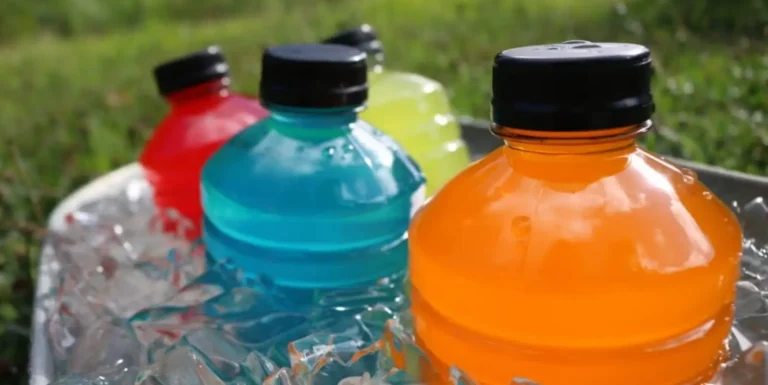
On the other hand, Gatorade is sweeter and designed more for athletes looking for a quick energy boost. It contains more carbohydrates, which can be beneficial for endurance activities, but I’ve noticed that the sugar content can leave me feeling a bit sluggish afterward. For me, Gatorade is great during long runs or sports events where I need quick energy, but less so for everyday hydration.
Personal Experiences with Both Drinks
After experimenting with both drinks, I began to notice how each affected my recovery. After a particularly grueling sprint session, I grabbed a bottle of Gatorade, expecting to feel revitalised. While it tasted great and provided a quick hit of energy, I found myself feeling a bit heavy and bloated afterward. This experience made me reconsider when I would choose Gatorade over Pedialyte.
In contrast, after a long hike on a hot day when I was sweating profusely, I opted for Pedialyte. I mixed it with a bit of water to dilute the sweetness. It was refreshing and, more importantly, I felt recharged without the sugar crash. I was amazed at how quickly it seemed to restore my energy levels and hydration. It became clear that Pedialyte was my go-to for recovery post intense workouts, while Gatorade was more suited for activities where I needed immediate energy.
Expert Opinions and Studies
My personal observations align with some expert opinions I’ve come across. A study published in the Journal of Athletic Training highlighted that drinks with higher electrolyte content, like Pedialyte, are effective for recovery after dehydration due to exercise. The researchers noted that while both drinks can aid in hydration, the specific needs of the individual – whether they require quick energy or electrolyte replenishment – should dictate their choice.
Another expert emphasised that while Gatorade can effectively replenish electrolytes and provide energy, it might not always be the best option for casual hydration. It’s essential to listen to our bodies and recognise our hydration needs based on our activity levels. This perspective resonated with me, as I’ve found that my preferences have evolved based on my lifestyle changes.
Practical Takeaway
As I reflect on my hydration journey, I’ve learned that there isn’t a one-size-fits-all solution when it comes to choosing between Pedialyte and Gatorade. Each drink serves a purpose, and understanding my body’s needs has been key to making the right choice. For intense workouts and recovery, I lean towards Pedialyte, while Gatorade fits the bill for energy during prolonged activities.
Ultimately, it’s about recognising how different drinks impact my performance and recovery. Staying hydrated is a crucial part of my wellness routine, and knowing the right drink to reach for has made a world of difference. So, the next time you find yourself in the same situation, consider your activity level and hydration needs before making your choice. It could be the difference between feeling refreshed or sluggish.