
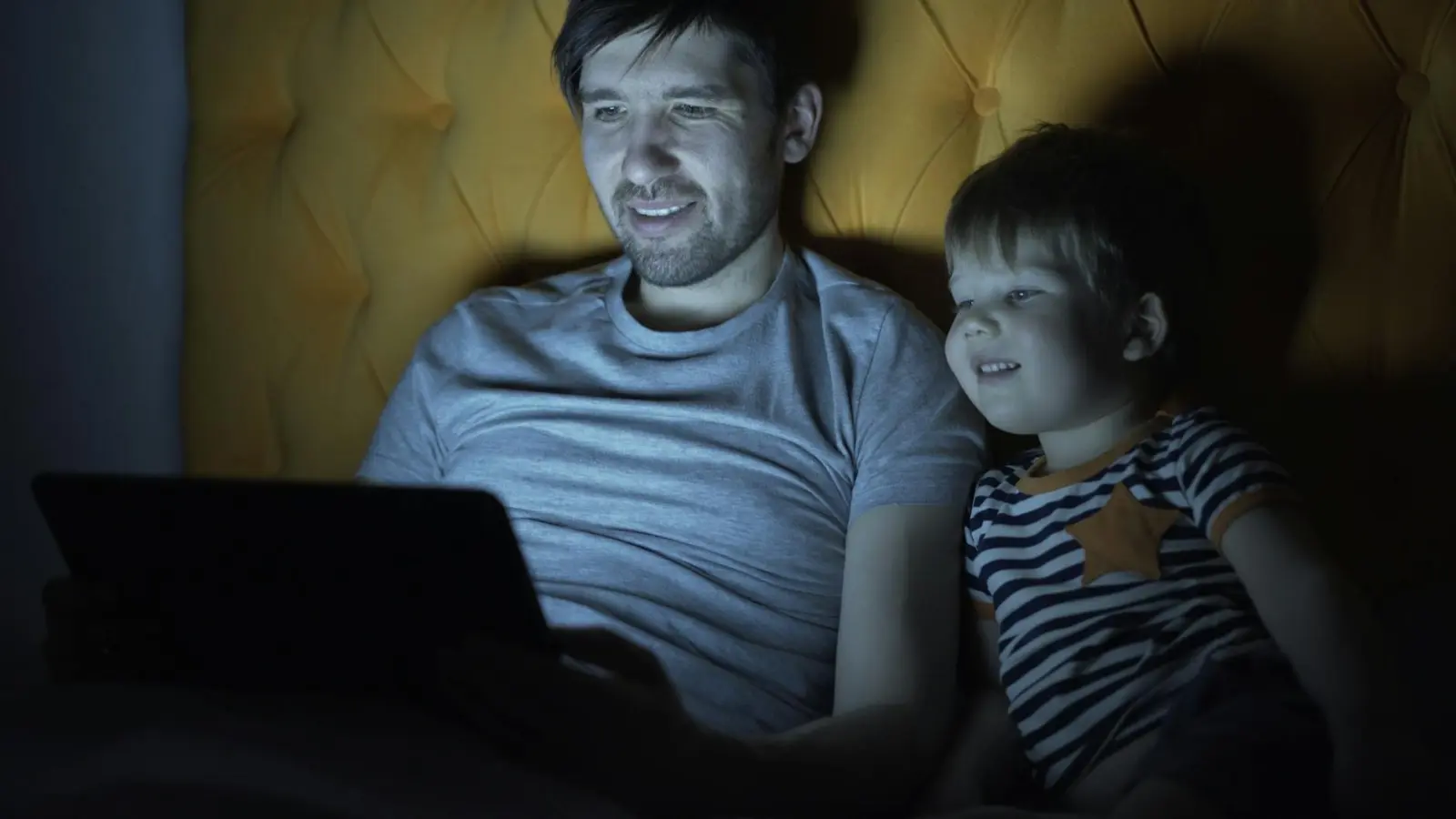
I’m not someone who thinks screens are evil. I work on a computer most days, my kids use tablets for schoolwork, and we watch films together on weekends. But over the past couple of years, I’ve become increasingly aware that the sheer volume of screen exposure – especially for children – deserves more thoughtful attention than I was giving it. So I started paying closer attention to patterns: how my kids behaved after heavy screen days versus lighter ones, how their sleep was affected, what happened to their attention spans and their ability to entertain themselves without digital stimulation.
The Shift I Started Noticing
Before I dive into what I’ve learned, I want to be clear: I’m not a researcher or a paediatrician. I’m just a parent who’s observed his own children closely and done some reading along the way. What I’ve noticed is that screen time doesn’t affect all children the same way, and it’s not inherently bad. But the *way* we use screens and *how much* we use them absolutely matters.
When my kids had a particularly screen-heavy week – say, a rainy week where they watched more than usual – I noticed they were more irritable, less able to focus on homework, and they’d struggle to fall asleep even though they were exhausted. It wasn’t dramatic, but it was consistent. On weeks where we kept screens to reasonable limits, their behaviour was noticeably calmer. They’d play independently for longer stretches, they’d read more, and they seemed genuinely happier. I’m not suggesting screens caused unhappiness, but they seemed to crowd out other activities that were actually feeding their development.
What the Research Actually Says (Without the Doom)
I looked into what child development experts actually recommend, and it’s less extreme than the headlines suggest. The Australian guidelines suggest that children under two shouldn’t have screen time at all, and kids aged two to five should have no more than an hour a day of quality programming. For older children, there’s more flexibility, but the emphasis is always on *quality* and *balance*. That word – balance – kept coming up, and it resonated with me because it felt achievable rather than impossible.
What interested me most was reading about how excessive screen time can affect things like sleep patterns, eye strain, and the development of sustained attention. One thing that stuck with me was learning that the blue light from screens can interfere with melatonin production, which explains why my kids were wired at bedtime after afternoon screen sessions. But equally, I read that moderate, intentional screen use – like watching an educational programme together or video-calling a grandparent – doesn’t cause the same problems. The difference is in how passively we consume versus how actively we engage.
The Real Issue: Displacement, Not Just Duration
Here’s what I think gets overlooked in most screen time discussions: it’s not just about the hours spent looking at a device. It’s about what those hours are *replacing*. When my kids were glued to screens, they weren’t playing outside, building things with their hands, having unstructured playtime with friends, or even just being bored enough to use their imagination. Those activities – the unglamorous, screen-free ones – are where a lot of actual development happens.
I started thinking about screen time as a displacement issue rather than purely a health issue. My nine-year-old son used to draw constantly. Then, over a year or so, as tablets and YouTube became more accessible, his drawing dropped off almost entirely. Not because drawing became less appealing, but because screens were easier and more immediately rewarding. When I gently reduced his screen access and made drawing materials more visible and available, he went back to it. That shift wasn’t about protecting him from some imaginary screen damage – it was about making space for the things that actually develop his creativity and fine motor skills.
Finding What Balance Actually Looks Like
I’ve never been the type to implement rigid rules, so I didn’t suddenly ban screens or create complicated schedules. Instead, I started being more intentional. Screens happen at certain times of day, not whenever boredom strikes. We don’t have devices in bedrooms. We watch things together more often than not, which means I actually know what they’re consuming and we can talk about it. And I’ve been deliberate about creating friction around screen access – not in a punitive way, but by making other activities equally easy and appealing.
What surprised me was how quickly the kids adapted. Within a couple of weeks of these softer boundaries, they stopped asking for screens as constantly. They seemed to rediscover boredom, which sounds negative but actually isn’t – boredom is where creativity lives. My daughter started building elaborate Lego worlds again. My son picked up his sketchbook. They played outside more, fought less, and slept better. These weren’t dramatic changes, but they were real.
The Guilt Factor (and Why I’m Letting It Go)
I want to acknowledge something that I think a lot of parents feel but don’t always say: there’s guilt attached to screen time. Guilt that we’re not doing enough, that our kids are falling behind, that we’re damaging them somehow. I felt that guilt acutely when I started paying attention to how much screen time was happening in our house.
But here’s what helped me move past it: recognising that screens aren’t going away, and they’re not inherently the enemy. My kids will grow up in a world where digital literacy is essential. They need to know how to use technology. The goal isn’t to raise them screen-free – that’s neither realistic nor necessary. The goal is to raise them with a healthy relationship to screens, where they’re tools rather than defaults, and where they’re balanced with all the other things that matter for development.
When I stopped viewing screen time as a moral failing and started viewing it as a practical habit to manage, everything got easier. I could make decisions based on what actually seemed to help my kids thrive, rather than on anxiety or guilt or what I thought I *should* be doing.
What I’m Still Learning
Honestly, this is ongoing. My kids are still young, and screens are still evolving. But I’ve learned that paying attention to patterns – how my children behave, sleep, and engage with the world around them – is far more useful than following any one rule or guideline. Every family is different. What works for us might not work for yours, and that’s fine.
What matters is being intentional rather than passive about it. Noticing when screens are crowding out other important things. Creating space for boredom, creativity, physical activity, and face-to-face connection. And recognising that balance isn’t about perfection – it’s about making thoughtful choices most of the time, and not beating yourself up when you slip.
My daughter still watches her episodes. But now she does it at a time when it won’t interfere with her sleep, and she’s not doing it because she has nothing else to do. She’s got plenty else to do. The screens are just one part of her day, not the centre of it. And when she tells me her eyes are tired, I listen. That awareness she’s developing – of her own body, her own limits – that’s worth more than any screen could offer.