Last summer, I noticed a small brown spot on my shoulder that hadn’t been there before. I stared at it in the mirror for longer than I’d like to admit, then immediately spiralled into worry. Was it melanoma? Should I panic? I spent an embarrassing amount of time scrolling through skin condition forums at midnight, comparing my spot to pictures of things that ranged from completely benign to genuinely concerning. By morning, I’d convinced myself I needed an urgent appointment with a dermatologist.
What I learned over the following weeks changed how I think about my skin entirely. The spot turned out to be nothing sinister – just a sun spot, a common souvenir from years of Australian summers without enough sunscreen. But the process of getting it checked taught me something valuable: not every skin change demands immediate panic, yet some absolutely warrant attention. The trick is learning the difference.
Why Our Skin Changes as We Live
I’ve come to understand that skin is less like a static canvas and more like a living record of our lives. It responds to sun exposure, stress, hormones, sleep patterns, diet, and just the simple passage of time. When I was younger, I thought skin changes only happened to older people, but that’s simply not true. I’ve watched my own skin evolve through my twenties and thirties in ways I never expected.
The reality is that our skin is constantly renewing itself, and that process becomes visible in ways we don’t always anticipate. New spots appear. Texture shifts. Existing marks change size or colour. Some of these changes are completely normal and harmless. Others are worth investigating. The challenge isn’t avoiding change – it’s developing the judgment to know which changes deserve your attention and which ones don’t.
The Changes I’ve Learned to Observe
Over time, I’ve developed a mental checklist of what I actually look for when I notice something different on my skin. It’s not about obsessive monitoring; it’s about informed awareness. I’ve learned that the ABCDE framework is genuinely useful, even though I initially dismissed it as overly medical. It stands for Asymmetry, Border irregularity, Colour variation, Diameter, and Evolution – basically, does the spot look uneven, does it have jagged edges, does it have multiple colours, is it larger than a pencil eraser, and is it changing?
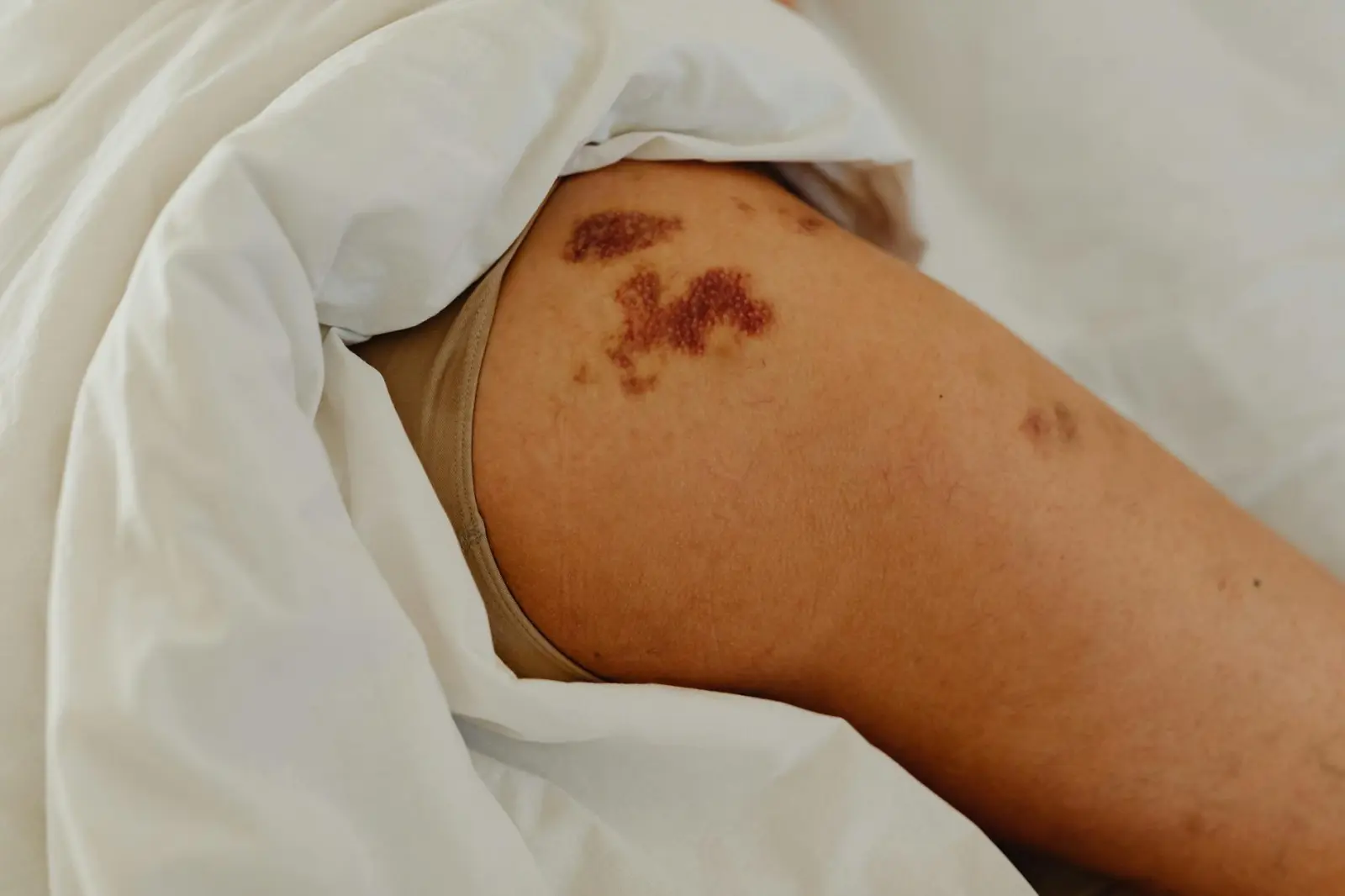
I pay attention to moles or spots that seem to be changing in appearance. Not the slow, subtle changes that happen over years – I mean noticeable shifts over weeks or months. I also notice if something is itching persistently, bleeding, or oozing without an obvious reason like a cut or scratch. These aren’t automatic red flags that something is wrong, but they’re signals worth taking seriously enough to get checked.
What I don’t worry about as much anymore: new freckles, slight colour variations in existing spots that have been stable for years, small raised bumps that aren’t changing, or the general texture changes that come with ageing. I’ve also learned that rashes, dry patches, and temporary skin reactions are usually about something specific – a new product, a reaction to something I’ve eaten, stress, or environmental factors – rather than anything sinister.
When I Actually Made an Appointment
Beyond that brown spot, I’ve had a few other moments where I felt genuinely uncertain enough to see someone. There was a patch of skin that looked slightly different in texture and wouldn’t go away after a few weeks. There was a spot that seemed to be getting slightly larger. There was a time when I developed an unusual rash that spread across my chest and I couldn’t figure out what caused it.
In each case, I didn’t wait months – I booked an appointment within a couple of weeks. Not out of panic, but out of practical curiosity. I wanted to know what I was dealing with. Some turned out to be completely benign. One was a minor fungal thing that cleared up with a simple cream. The rash was stress-related and resolved on its own. But having them checked gave me peace of mind and, more importantly, actual information rather than internet-fuelled speculation.
I’ve also learned that seeing a doctor doesn’t have to mean a dramatic diagnosis. Most skin concerns are straightforward and manageable. The real value in getting checked is having someone with actual expertise tell you what something is, whether it needs treatment, and what to monitor going forward. That’s information worth having.
What Changed My Approach
I think what shifted for me was moving away from the extremes. I stopped pretending that every new spot was nothing to notice, and I also stopped catastrophising about normal skin changes. I became more practical about it. If something seems genuinely different or concerning, I get it checked. If it’s something I’ve had for years and it’s stable, I leave it alone. If I’m uncertain, I take a photo, wait a week or two, and see if it changes. Most things don’t.
I’ve also become more intentional about sun protection, not because I’m obsessed with preventing every possible skin change, but because I’ve seen firsthand how sun damage accumulates. Those brown spots aren’t dangerous in themselves, but they’re a visible reminder that sun exposure has consequences. That’s made me more consistent about wearing sunscreen and seeking shade, which feels like a reasonable trade-off for enjoying time outdoors.
The Practical Reality
Here’s what I’ve settled on as my personal approach: I check my skin occasionally without obsessing. If I notice something that looks genuinely different – changing shape, colour, size, or texture – I mention it at my next doctor’s visit or book a specific appointment if it seems urgent. I take photos of anything I’m uncertain about so I can actually track whether it’s changing. I don’t spend hours comparing my skin to internet images of rare conditions. And I’ve accepted that some skin changes are just part of living in a body that’s exposed to the world.
The truth I wish I’d known earlier is that getting something checked doesn’t have to be dramatic or frightening. It’s just information. A dermatologist can tell you in five minutes what might take you weeks to figure out through online research. That knowledge – whether it’s “this is nothing” or “this needs treatment” – is genuinely valuable and worth the appointment.
My brown spot is still there. I don’t think about it much anymore. But I’m also more aware of my skin now, more willing to get things checked when they seem genuinely different, and much less likely to spiral into worry about normal variation. That feels like a reasonable place to land.