My mum turned 68 last month, and I noticed something that made me pause. She was more energised, sharper in conversation, and genuinely happier than she’d been in years. The difference? She’d joined a book club, started volunteering at the local community garden, and had begun hosting Sunday dinners again. It wasn’t a gym membership or a new supplement – it was people, connection, and purpose. That observation sent me down a rabbit hole of research, because I realised I’d been thinking about healthy aging all wrong.
The Loneliness Epidemic Nobody Talks About
We hear a lot about exercise and diet when it comes to aging well, and rightfully so. But what we don’t hear enough about is how profoundly isolating modern life has become for older adults. I’ve watched friends’ parents retire, only to find themselves sitting at home with a lot of time and very few reasons to leave. The pandemic accelerated this for many people, and even as restrictions lifted, the habit of isolation stuck around.
What struck me most was learning that loneliness in older age carries health risks comparable to smoking or obesity. I’m not exaggerating – research from institutions like Harvard Medical School has shown that social isolation is linked to increased inflammation, higher blood pressure, and even cognitive decline. When my mum was less socially engaged, she seemed to move slower, complain more about aches, and lose interest in things she used to love. It wasn’t that she was suddenly older; it was that she felt older.
Why Connection Matters More Than We Realise
I started paying attention to the mechanics of what was happening. When my mum was regularly seeing friends and engaging in activities, her whole physiology seemed different. She slept better. She was more motivated to take care of herself – not because she was trying to impress anyone, but because she had reasons to show up, literally and figuratively. There’s something about having people who expect to see you that changes your behaviour in ways no health app ever could.
The book club became her anchor. Every second Tuesday, she had somewhere to be. That meant getting dressed, doing her hair, preparing snacks to share. She started reading more widely, which kept her mind engaged. She made new friends and rekindled old friendships. But more than that, she had conversations that mattered – about ideas, not just about her aches and pains. I noticed she stopped talking about her health problems as much because she was too busy talking about everything else.
The Volunteer Effect
The community garden was another turning point. Mum had never been particularly into gardening, but the appeal wasn’t really the plants – it was the people and the sense of contributing something meaningful. She was working alongside neighbours she’d never spoken to properly before, learning new skills, and most importantly, feeling needed. I’ve read studies suggesting that volunteering in older age is associated with better cognitive function and even increased longevity, and watching my mum, I could see why. She had purpose. She was using her knowledge and experience in ways that mattered to other people.
What fascinated me was how this shifted her entire mindset about aging. Instead of thinking of herself as someone who was gradually declining, she started thinking of herself as someone who was contributing. That psychological shift is real, and it’s powerful. She stopped seeing her age as a limitation and started seeing her experience as an asset.
The Sunday Dinner Ritual
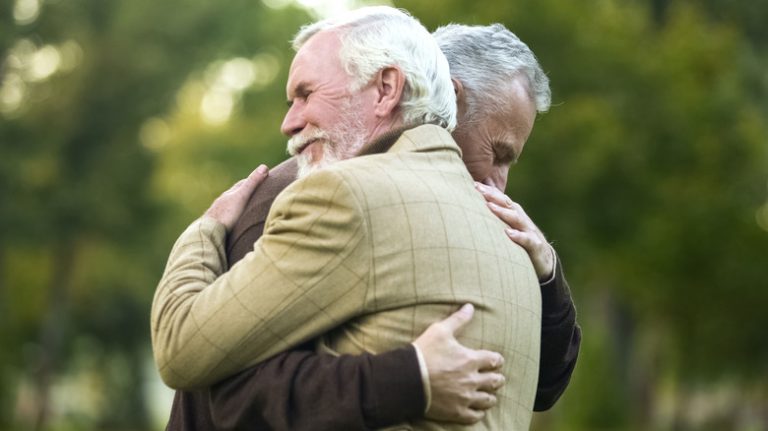
When mum started hosting Sunday dinners again, I realised this was perhaps the most important piece of the puzzle. These weren’t fancy affairs – just family and close friends around her table. But the act of hosting, of planning, of creating a space where people wanted to gather, gave her a role and a rhythm. My dad, who’d been quieter since retirement, became more animated. My sister brought her kids, who brought energy and noise. Mum was at the centre of it all, orchestrating, laughing, telling stories.
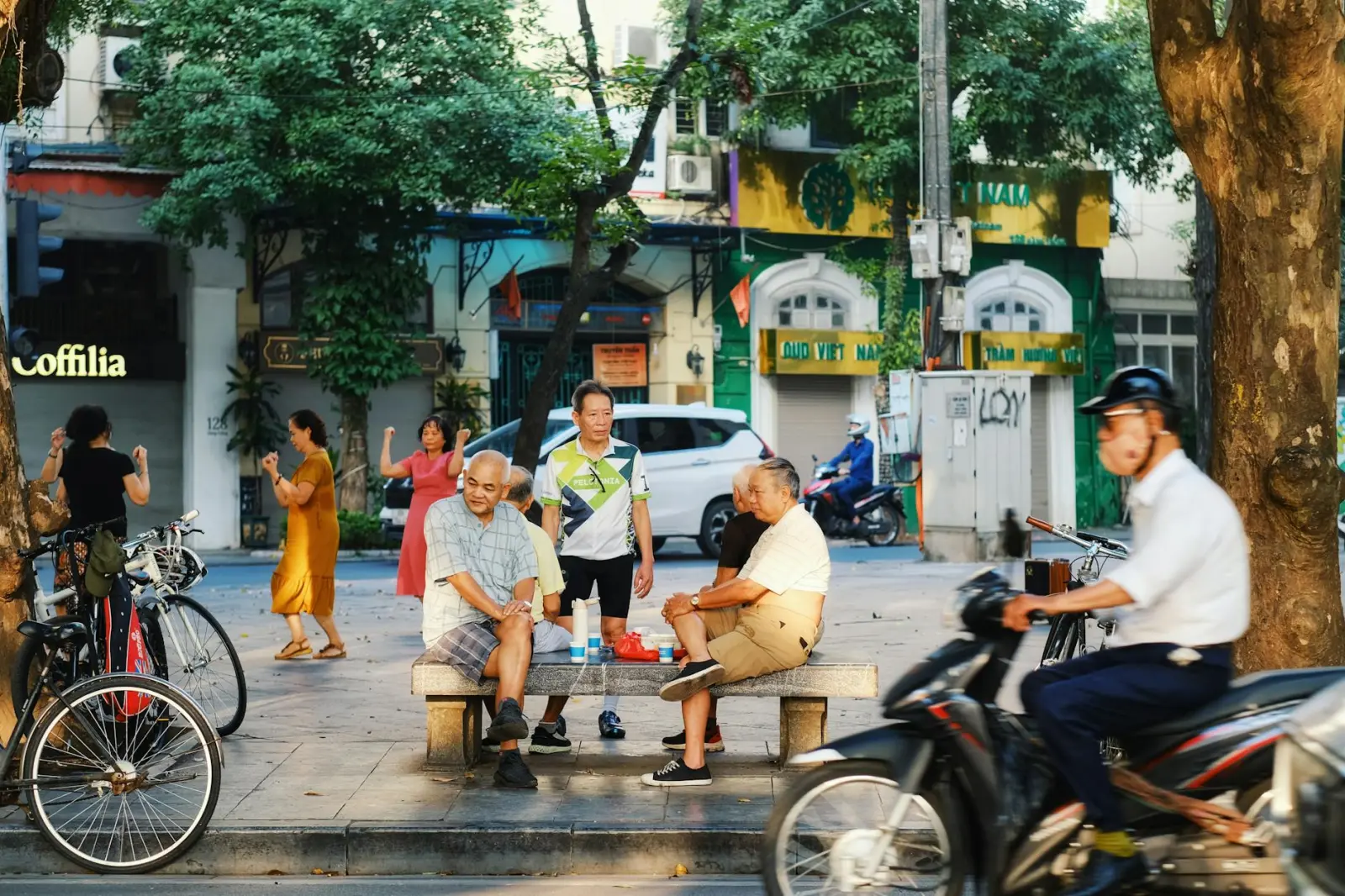
I’ve noticed that older adults who maintain these kinds of regular social rituals – whether it’s hosting dinners, meeting friends for coffee, or being part of a group activity – seem to have a different quality of life. They’re not just living longer; they’re living with more vitality and engagement. The structure and anticipation matter. The feeling of being woven into other people’s lives matters.
What This Means in Practical Terms
I’m not suggesting that social engagement is a cure-all or that it replaces the importance of physical activity and good nutrition. But I am saying that if we’re serious about aging well, we need to talk about it as seriously as we talk about steps and sleep. For my mum, the shift happened when she stopped waiting for invitations and started creating reasons for connection herself. She joined things. She volunteered. She opened her home.
What I’ve learned from watching her transformation is that healthy aging isn’t just a personal project – it’s a social one. It requires showing up, being part of something, and having people in your life who matter and who you matter to. It means finding activities that give you purpose and communities that value your presence. It means recognising that loneliness isn’t just an emotional experience; it’s a health risk that deserves the same attention we give to cholesterol levels and blood pressure.
My mum didn’t set out to reverse the effects of aging. She just wanted to feel less lonely and more engaged. What happened instead was that she became more vibrant, more present, and more genuinely well than she’d been in years. And that, I’ve come to understand, is what healthy aging really looks like.