Three months after my heart attack, I was sitting in my cardiologist’s office when she asked me a question that caught me off guard: “What scares you most about going home?” I’d been expecting her to talk about medications, exercise protocols, or dietary restrictions. Instead, she was asking about fear itself. That conversation changed how I approached my recovery entirely.
When you experience a cardiac event, the medical side feels manageable in comparison to everything else. The hospital staff know what to do. The medications have clear instructions. But the moment you step through your front door, you’re navigating uncharted territory. You’re trying to figure out how to live differently when your body has just betrayed your sense of security. I want to share what I’ve learned about moving through that phase – not as medical advice, but as observations from someone who’s been there.
The First Few Weeks: Accepting Help and Pacing
I remember my wife insisting that I let her handle the grocery shopping for the first month. My instinct was to resist. I’m someone who’s always been independent, and accepting help felt like admitting defeat. But I’ve come to see that period differently now. Those early weeks aren’t about weakness – they’re about genuine recovery. Your body has experienced significant stress, and your cardiovascular system needs time to stabilise without additional strain.
What surprised me was how much my perception of “normal activity” had to shift. Before my event, I’d walk around the house without thinking. Afterwards, I had to relearn what my body could actually handle. My cardiologist mentioned that many people benefit from a structured cardiac rehabilitation programme in those early weeks – not just for the exercise component, but for the psychological reassurance of being monitored in a safe environment. I attended mine three times a week, and honestly, seeing other people at various stages of their own recovery was as valuable as the supervised exercise itself.
One thing nobody really tells you is how tiring recovery feels. Not just physically, but mentally. I’d come home from a 20-minute walk feeling emotionally exhausted, even though my body wasn’t particularly strained. I’ve since learned this is common – your nervous system is recalibrating, and that process takes energy. I stopped fighting it and started building rest into my days as deliberately as I scheduled my walks.
Rebuilding Movement Without Fear
The relationship between fear and physical activity became my biggest challenge. After a cardiac event, there’s a legitimate concern about pushing too hard. But there’s also the risk of becoming so cautious that you don’t move enough. I found myself in that second trap initially – avoiding activity because I was terrified of triggering another event.
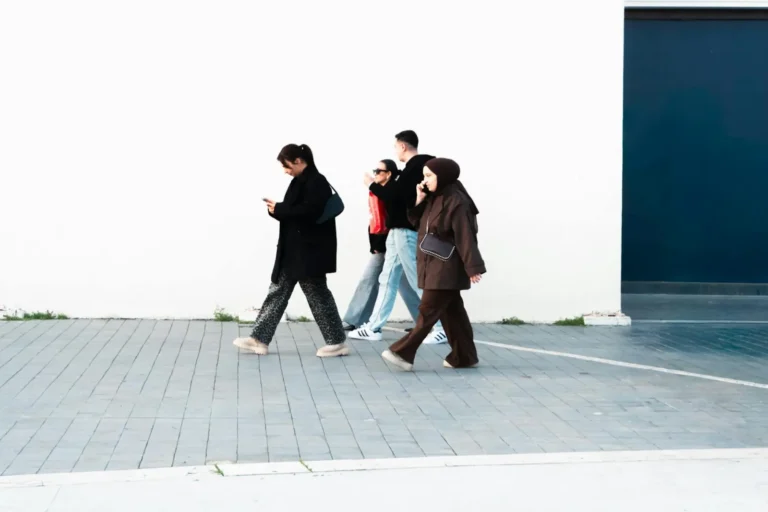
My physiotherapist helped me reframe this. She explained that gradual, consistent movement actually helps your cardiovascular system adapt and strengthen. The key word there is gradual. I started with short walks around the block, nothing ambitious. Over weeks, I extended the distance slightly. The important thing was consistency rather than intensity. I walked most days, even if it was just 15 minutes, rather than attempting one ambitious 45-minute walk and then avoiding activity for days afterwards out of anxiety.
What helped tremendously was having clear markers of progress. I kept a simple log – nothing fancy, just the date and how far I’d walked. Seeing that progression from 800 metres to 2 kilometres over eight weeks gave me concrete evidence that my body was adapting. That evidence became more reassuring than any reassurance anyone could offer me verbally.
The Nutrition Shift: It’s Not About Punishment
I initially approached dietary changes like I was being punished. No salt, no fat, no fun foods – that’s what I thought recovery meant. But that mindset lasted about two weeks before I realised I was setting myself up for failure. I’d been given a list of foods to avoid, but nobody had really helped me understand what I should actually be eating or enjoying.
I started working with a dietitian who reframed the whole thing. Instead of focusing on restriction, we talked about what foods made me feel good, what gave me sustained energy, and what left me feeling sluggish. It turns out that when you focus on how food makes you feel rather than on rules, the “healthy” choices become more appealing naturally. I started experimenting with different preparations of vegetables, trying new grains, discovering that I actually enjoyed fish when it was prepared well.
The research on cardiac recovery consistently shows that people who view dietary changes as deprivation struggle with adherence, whereas those who see it as exploration tend to maintain changes long-term. I became the latter. Now, six months into recovery, I’m not white-knuckling my way through a restrictive diet – I’ve genuinely changed what I enjoy eating.
Sleep, Stress, and the Invisible Recovery Work
Nobody emphasised sleep during my hospital stay, but it became one of the most important factors in my recovery. In those early weeks, my sleep was fragmented – I’d wake up anxious, my mind racing through worst-case scenarios. I started treating sleep as seriously as I treated my exercise programme.
I established a routine: same bedtime, same wake time, no screens an hour before bed. I also had to address the anxiety piece. Some of that required talking to a counsellor who specialised in post-event trauma. I was surprised to learn how common anxiety is after a cardiac event – it’s not weakness or overreaction, it’s a normal psychological response to a frightening experience. Acknowledging that made it easier to address.
Stress management became less about meditation apps (though I tried those) and more about identifying what actually calmed my nervous system. For me, it was time in my garden, conversations with close friends, and returning to reading – activities that genuinely interested me rather than things I thought I “should” do for recovery.
The Emotional Landscape Nobody Warns You About
The physical recovery is one thing. The emotional recovery is something else entirely. I experienced waves of grief – grief for my sense of invulnerability, for the life I thought I’d have without health concerns, for the anxiety that now accompanies certain situations. There were also unexpected moments of gratitude and perspective shift that caught me off guard.
What I’ve learned is that both are valid. The fear and the gratitude can coexist. Some days I felt like I’d been given a second chance and wanted to live differently. Other days I felt angry and frustrated that my body had done this to me. I’ve come to see those fluctuations as part of the process rather than signs that I’m not recovering properly.
Six months on, I’m not back to who I was before my event. I’m different – more aware of my body, more intentional about how I spend my time, more appreciative of ordinary days. My recovery isn’t a destination I’m trying to reach; it’s an ongoing adjustment to a new normal. And surprisingly, that new normal doesn’t feel like a compromise. It feels like living more deliberately, and that’s turned out to be its own kind of gift.