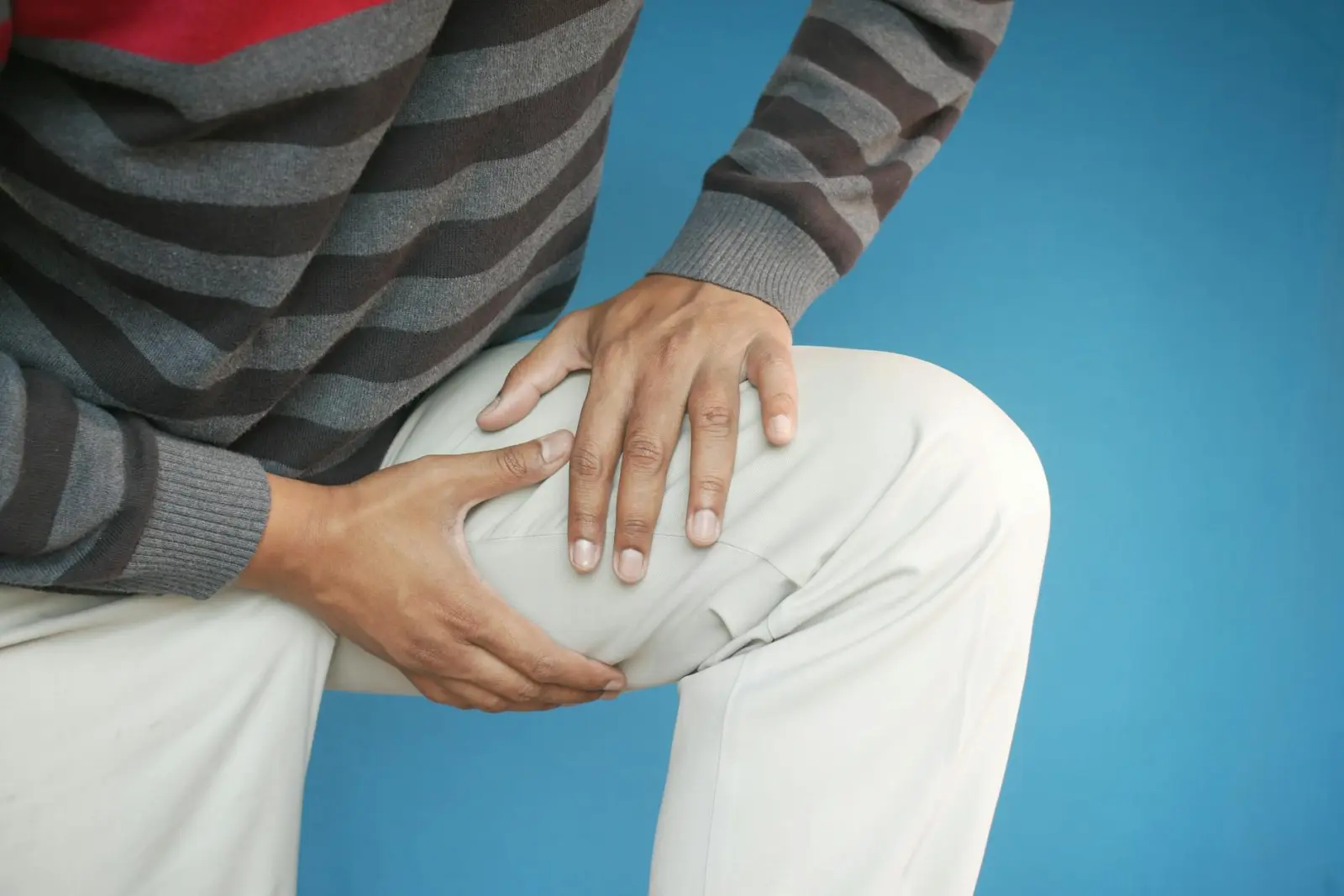
The moment I noticed it was a Tuesday morning, reaching down to tie my shoelaces. A sharp twinge in my right knee – nothing dramatic, just enough to make me pause and think, “That wasn’t there last week.” I’m not particularly old, not sedentary, and I’d never thought of myself as someone who’d deal with joint pain. But there it was, a small reminder that our bodies send us signals we’re often too busy to hear.
Over the next few months, that twinge became a regular companion. It wasn’t constant agony – more like an awkward conversation my knee kept trying to start with me. I noticed it most after sitting at my desk for hours, or when I’d push hard on a run, or even on mornings after I’d done nothing particularly strenuous. That’s when I started paying real attention. I began asking people around me about their own joint pain, and I was surprised by how many had similar stories. A mate complained about his shoulder. My mum mentioned her hips. A colleague talked about her wrists. Everyone seemed to have something.
What struck me most was how little most of us actually understood about why our joints hurt, or what we could realistically do about it. We’d pop paracetamol, rest when it got bad, and otherwise just… accept it. But I wanted to understand the mechanics of it, not just manage the symptoms. So I started digging, and what I discovered changed how I think about joint health entirely.
The Real Reasons Joints Start Complaining
Here’s what I learned: joint pain isn’t usually one thing. It’s almost always a combination of factors, and understanding them is the first step toward actually doing something useful about it.
The biggest culprit in my own case was repetitive strain. I spend most of my day at a desk, and my posture – if I’m being honest – is rubbish. My shoulders creep up toward my ears, my lower back rounds, and my knees bend at angles that probably aren’t ideal. Repetitive strain doesn’t announce itself loudly. It’s cumulative. You do the same movement hundreds of times, and gradually the structures around your joint – the tendons, ligaments, cartilage – start to protest. In my case, it was the combination of desk work and then intense exercise on weekends. My body was getting two conflicting messages: sit still all week, then go hard on Saturday. No wonder my knees were confused.
Weakness is another massive factor I hadn’t really considered. I’d always thought of strength training as something for people trying to look good or get big. But I came to understand it differently after reading about how muscles actually protect joints. The muscles around your knee, for instance, act like shock absorbers. If those muscles are weak or imbalanced, your joint has to do more of the work itself. That’s when pain starts. I realised I’d been neglecting the smaller stabilising muscles – the ones you don’t see in the mirror – in favour of flashier workouts.
Inflammation also plays a role, though it’s more nuanced than I initially thought. Some inflammation is actually your body’s way of protecting and healing. But chronic, low-level inflammation – often driven by lifestyle factors like poor sleep, stress, and diet – can keep your joints in a constant state of irritation. I noticed my knee pain was worse on weeks when I’d been sleeping poorly and eating more processed food. That connection felt real.
Movement Patterns That Actually Matter
One of the most useful things I discovered was that the problem often isn’t movement itself – it’s how we move. I used to think rest was the answer, but that’s only part of the picture. What helped me more was understanding which movements made things worse and which ones actually helped.
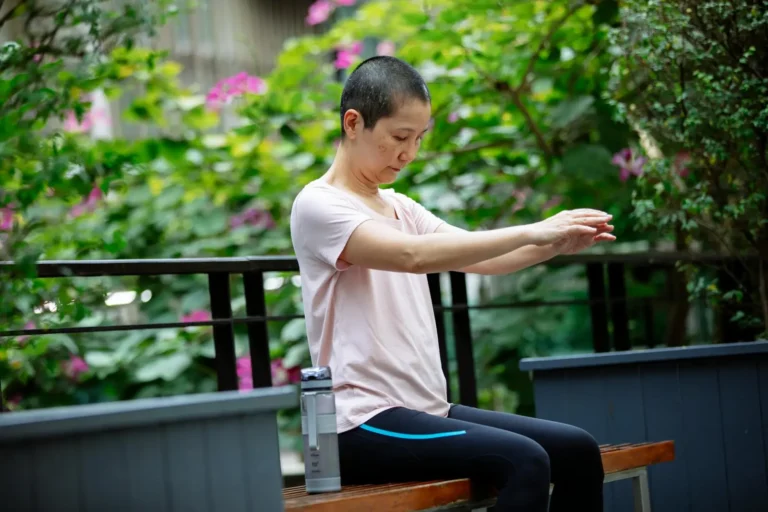
I started paying attention to my movement quality. When I walked, was I landing heel-first and pushing through my whole foot? Or was I shuffling? When I climbed stairs, was I using my glutes and quads, or was I relying on my knees and lower back? These small details matter far more than I’d realised. I began doing some gentle mobility work – nothing fancy, just moving my joints through their full range of motion a few times a day. Knee circles, hip circles, gentle squats. It sounds simple, but consistency made a real difference.
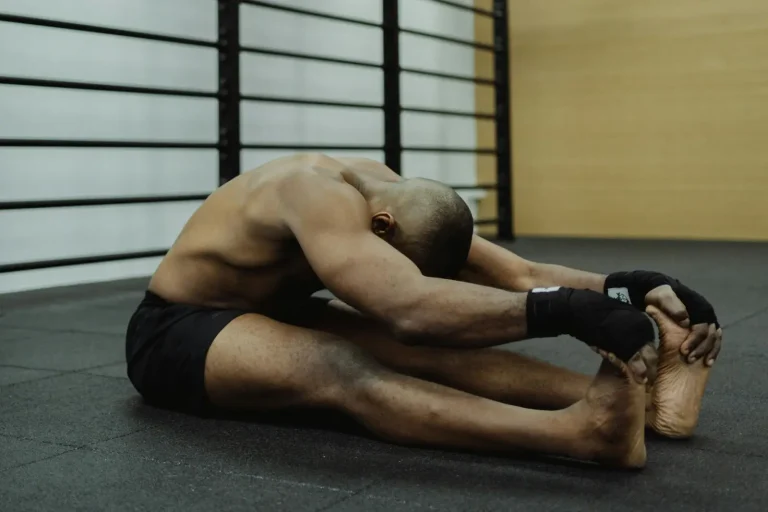
I also recognised that I’d been thinking about exercise all wrong. I’d categorised it as either “rest day” or “hard workout day,” with nothing in between. But what my joints actually needed was varied movement throughout the day. A short walk after lunch. Some stretching while watching telly. A few minutes of gentle strengthening exercises three times a week. Not heroic efforts, just regular, thoughtful movement.
The Unglamorous Stuff That Works
I wish I could tell you there’s a magic supplement or a clever technique that fixes joint pain. There isn’t. But there are several boring, practical things that genuinely helped me.
Sleep was the first revelation. I’d been averaging six hours a night, thinking that was fine. But when I committed to seven or eight hours consistently, my joint pain noticeably decreased. Sleep is when your body repairs itself, and that includes the tissues around your joints. I can’t overstate how much this mattered.
Hydration came next. I started drinking more water – not obsessively, just actually paying attention to it. Your joints need adequate hydration to function properly. I noticed the difference within a couple of weeks.
Then there was the food piece. I’m not one for restrictive diets, but I did notice that certain foods seemed to make my inflammation worse. For me, it was particularly noticeable with refined carbohydrates and excessive sugar. When I ate more whole foods – vegetables, fish, nuts, proper grains – my joints felt better. This wasn’t about being “clean eating” perfect; it was just about noticing patterns and making adjustments.
Stress management surprised me too. I’d always thought of stress as a mental health thing, but it genuinely affects inflammation and how your body heals. When I was stressed, my pain was worse. When I was calmer, it improved. I started practising some basic breathing exercises and found that even five minutes made a difference.
Building a Realistic Long-Term Approach
What I’ve come to understand is that joint health isn’t something you fix and then forget about. It’s something you manage, like brushing your teeth or eating reasonably well. The good news is that once you establish the habits, they become automatic.
My current routine isn’t complicated. I do some gentle mobility work most mornings. I move regularly throughout the day – I’ve even started using a standing desk for part of the day. I do some light strength work three times a week, focusing on the muscles that support my joints. I prioritise sleep and try to manage stress. I eat mostly whole foods and stay hydrated. None of this requires a gym membership or special equipment.
My knee pain hasn’t completely disappeared, but it’s manageable now. More importantly, I understand what makes it better or worse, and I have agency in that. That shift from passive acceptance to active management has been the real game-changer. I’m not waiting for pain to happen and then reacting; I’m building habits that keep my joints happy.
The truth I’ve come to accept is that our joints are asking us to pay attention. They’re telling us about our movement patterns, our strength, our recovery, and our overall lifestyle. When we listen and respond thoughtfully, they usually settle down. It’s not magic, and it’s not quick, but it works.