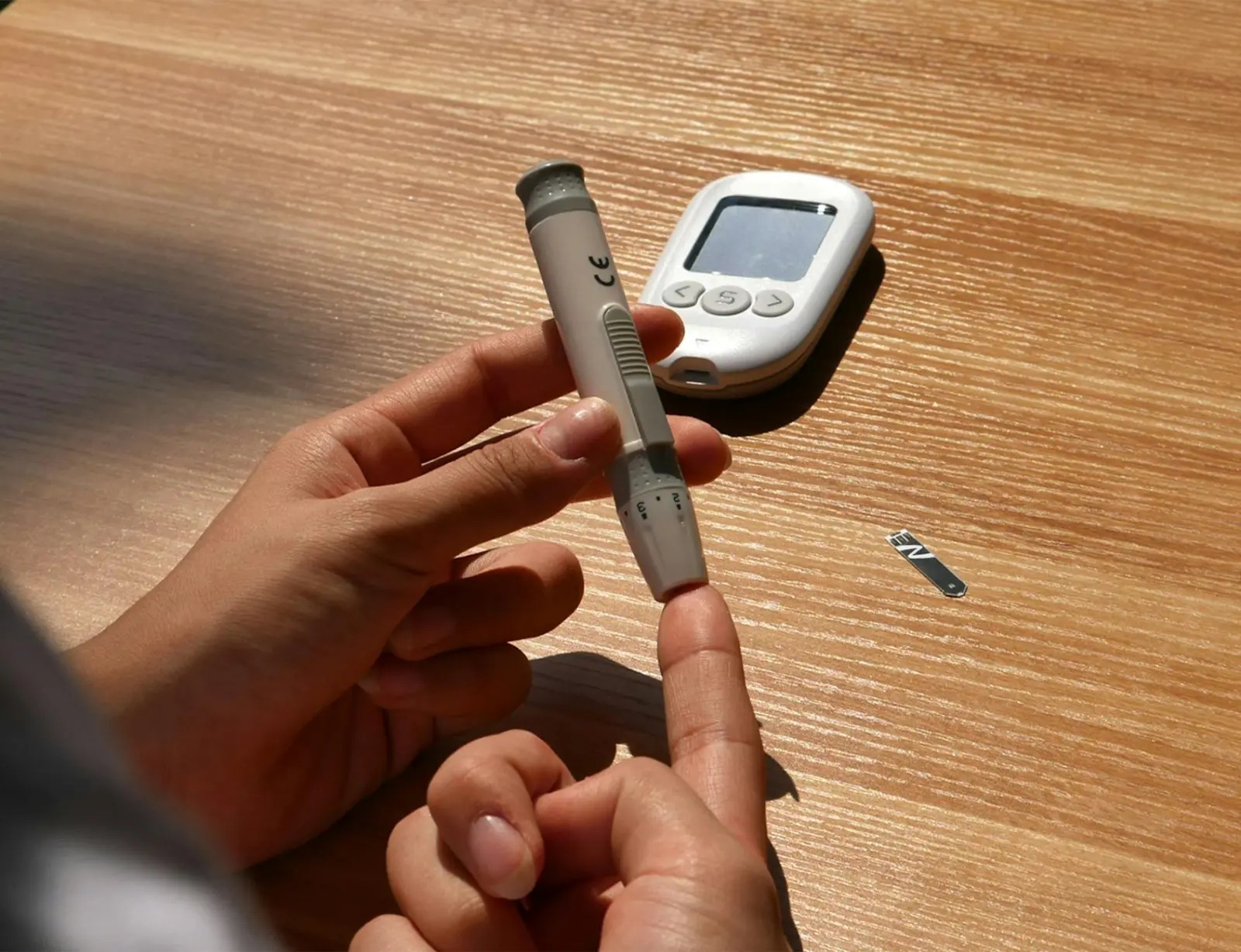
What I’ve discovered since then has genuinely surprised me. Managing type 2 diabetes isn’t about deprivation or accepting a diminished quality of life. It’s actually about learning to work with your body in a way that makes you feel better than you have in years. I’m not going to pretend it’s been effortless – it hasn’t – but the changes I’ve made have been far more about building positive habits than cutting things out.
The Moment Everything Shifted
The first few weeks after my diagnosis were honestly confusing. I had blood work results, a prescription, and a pamphlet about carbohydrates, but what I really needed was a framework for understanding how my choices actually affected my body. I started keeping a simple food and mood journal, nothing fancy – just jotting down what I ate and how I felt an hour or two later. Within a week, patterns emerged that no doctor’s appointment had made clear to me.
I noticed that when I ate a bowl of cereal for breakfast, I’d hit an energy wall by mid-morning and feel ravenous by lunchtime. But when I had eggs with toast and some fruit, I’d stay steady until afternoon. This wasn’t rocket science, but it was personal data about my own body, and that made all the difference. I stopped thinking about food in terms of “good” and “bad” and started thinking about it in terms of how it made me feel and how it affected my energy levels throughout the day.
Finding My Way With Movement
Before my diagnosis, I’d always been someone who “should” exercise more. I’d join a gym, feel guilty when I didn’t go, and eventually quit. The guilt was worse than the inactivity, if I’m honest. But once I understood that movement could directly help manage my blood sugar, something clicked. It wasn’t about punishment or earning the right to eat; it was about giving my body a tool it genuinely needed.
I started small – genuinely small. A fifteen-minute walk after dinner became my non-negotiable. I wasn’t training for anything; I was just moving my body when my blood sugar was likely to spike. Research has shown that even light activity after meals can significantly improve glucose control, and I felt the difference in how I slept and how I felt the next morning. After a few weeks of this, I added some gentle strength work twice a week. Nothing complicated, just bodyweight exercises in my lounge room while listening to podcasts.
What surprised me most was that once movement became part of my routine rather than something I “had to do,” I actually started enjoying it. I found walking podcasts I was genuinely interested in. I discovered that my body felt stronger and more capable than it had in years. The shift wasn’t dramatic – no before-and-after photos – but it was real and sustainable.
Sleep, Stress, and the Things Nobody Talks About
My doctor mentioned blood sugar management, diet, and exercise. What she didn’t emphasise – and what I wish someone had – was how much my sleep and stress levels were sabotaging everything else. I was sleeping six hours a night and calling it fine. I was stressed about work, money, and frankly, about managing my new diagnosis. My body was essentially running on fumes.
I made a deliberate choice to prioritise sleep, and it genuinely transformed how I managed everything else. When I started getting seven to eight hours consistently, my cravings for sugary foods decreased noticeably. My mood improved. My ability to stick to my walking routine went from something I had to force myself to do to something I actually wanted to do. It sounds almost too simple, but sleep wasn’t a nice-to-have – it was foundational.
For stress, I didn’t need meditation retreats or expensive wellness programs. I needed to recognise where my stress was coming from and make some practical changes. I set boundaries around work emails in the evening. I started saying no to things that didn’t matter to me. I spent more time with people who made me feel good. These changes had nothing to do with diabetes specifically, but they had everything to do with creating a life where managing my health didn’t feel like swimming against the current.
The Food Conversation That Actually Made Sense
I’ve read plenty of conflicting advice about what people with type 2 diabetes should eat. Low carb, Mediterranean, plant-based – everyone has strong opinions. What I’ve learned is that the “best” diet is the one you’ll actually stick to, and the one that makes you feel good. For me, that’s meant eating more whole foods and fewer processed ones, but not in a rigid way.
I still eat bread, pasta, and even the occasional biscuit. The difference is that I’m more intentional about it. I pair carbohydrates with protein and fat, which slows down how quickly they affect my blood sugar. I’ve learned to recognise portion sizes that work for my body rather than following strict rules. I’ve discovered that I genuinely enjoy cooking, which meant I was more likely to eat home-prepared food than takeaway.
One thing that helped enormously was talking to a dietitian who didn’t make me feel like I was failing if I wasn’t perfect. She helped me understand the “why” behind the suggestions rather than just handing me a list of forbidden foods. That knowledge made me want to make better choices, rather than feeling like I was being deprived.
The Numbers and How They Changed
After six months of these changes – the walking, the sleep, the food adjustments, the stress management – my blood sugar levels had improved significantly. My HbA1c dropped from a level that concerned my doctor to one that was heading in the right direction. But more importantly, I felt different. I had more energy. My clothes fit better. I didn’t feel like I was fighting my body anymore.
What I’ve come to recognise is that type 2 diabetes management isn’t about one dramatic change or a perfect adherence to a strict plan. It’s about recognising that your body is giving you feedback all the time, and learning to listen to it. It’s about making choices that feel sustainable because they’re aligned with how you actually want to live, not how you think you “should” live.
Three years in, I’m not cured – type 2 diabetes doesn’t work that way – but I’ve moved from feeling like a patient to feeling like someone who’s actively participating in their own health. The strategies that worked for me might not be exactly what works for you, but the principle is the same: start small, pay attention to what your body tells you, and build from there. That’s been the real game-changer.