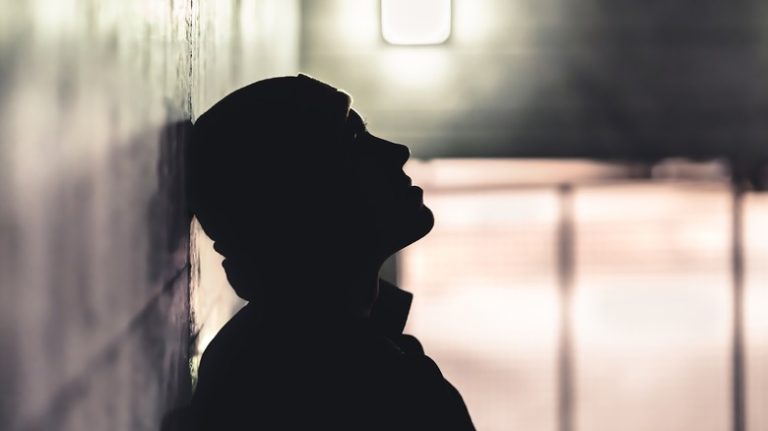
There was a moment, sitting at my desk, when it hit me like a gentle but insistent nudge. I was staring blankly at my computer screen, the words blurring together, and I couldn’t quite remember what I’d been working on. In that instant, I realised something was off. It wasn’t the usual fatigue or a momentary lapse of focus – this was something deeper, a quiet whisper from my body and mind that I had been ignoring for too long.
Understanding the Sneaky Nature of Burnout
Burnout is often portrayed as an overwhelming, dramatic collapse, but in my experience, it tends to creep in quietly. It doesn’t announce itself with a bang; rather, it slips into your routine, weaving itself into your daily habits until, one day, you can’t ignore it any longer. The signs can be so subtle that they’re easy to dismiss as just another part of life. But recognising these signs early can make all the difference.
For me, it started with the little things. I noticed I was becoming increasingly irritable over minor inconveniences. Tasks that I used to enjoy felt like chores, and my enthusiasm for activities outside of work dwindled. I began to experience a persistent sense of tiredness that sleep couldn’t shake off. These were the quiet signs that, in hindsight, were telling me to slow down and reassess.
The Physical and Emotional Toll
Burnout doesn’t just affect the mind; it takes a physical toll as well. I found myself dealing with frequent headaches and a sense of heaviness that wasn’t just physical but emotional. It was as if my body was carrying an invisible weight. I also noticed changes in my appetite and sleep patterns. According to a study by the University of Melbourne, chronic stress can disrupt sleep and lead to changes in eating habits, which were exactly what I was experiencing.
Emotionally, I felt detached, not just from my work but from my personal life too. I wasn’t fully present in conversations with friends and family, often caught up in a fog of my own thoughts. This emotional exhaustion is a key component of burnout, but it’s easy to misinterpret it as simply being “busy” or “stressed out”.
Patterns and Habits That Contribute to Burnout
As I reflected on my situation, I began to see patterns in my behaviour that contributed to my burnout. I had fallen into the habit of saying “yes” to everything, taking on more than I could handle. This tendency to overcommit is a common trap, especially in a culture that often equates busyness with productivity. In reality, it’s a fast track to burnout.
Another habit was neglecting self-care. I had stopped prioritising activities that recharged me, like spending time in nature or practising yoga. These activities had once been a source of joy and relaxation, but I had gradually let them slip away in the pursuit of “getting things done”.
Finding the Path to Recovery
Realising that I was burned out was a crucial first step, but recovery required conscious effort and change. I started by setting boundaries at work, learning to say “no” when my plate was already full. This was not easy at first, but it was necessary to protect my mental and physical health.
I also reintroduced self-care into my routine, making it a non-negotiable part of my day. Whether it was a walk in the park during lunch or a quiet evening with a good book, these moments became sacred. Research from the Australian Psychological Society suggests that regular self-care can significantly reduce stress and improve overall well-being, which I found to be true in my own journey.
A Personal Reflection on Burnout
Looking back, I realise that burnout was my body’s way of telling me to pause and reassess. It taught me the importance of listening to my inner signals and prioritising balance in my life. I learned to recognise the early signs of burnout – not as a failure, but as a reminder to care for myself with the same dedication I applied to my work.
If there’s one takeaway from my experience, it’s this: pay attention to the whispers before they become shouts. By tuning into the subtle signs and making small, intentional changes, we can prevent burnout from taking hold. It requires self-awareness and a willingness to put our well-being first, but it’s a journey worth taking.