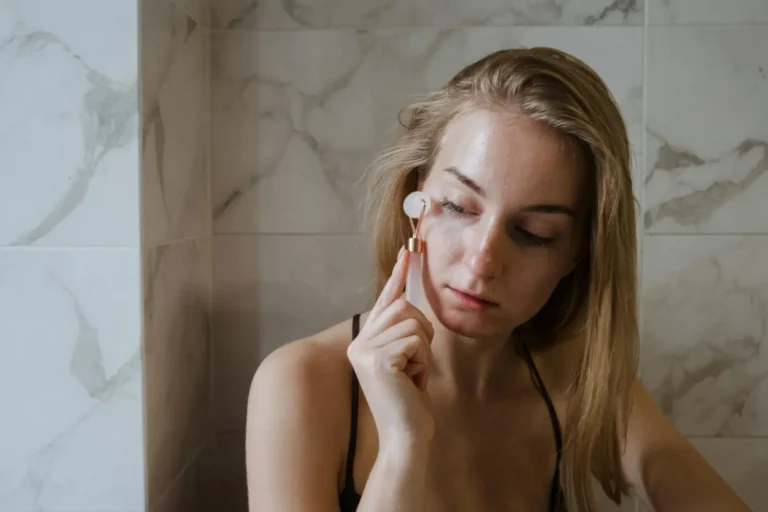
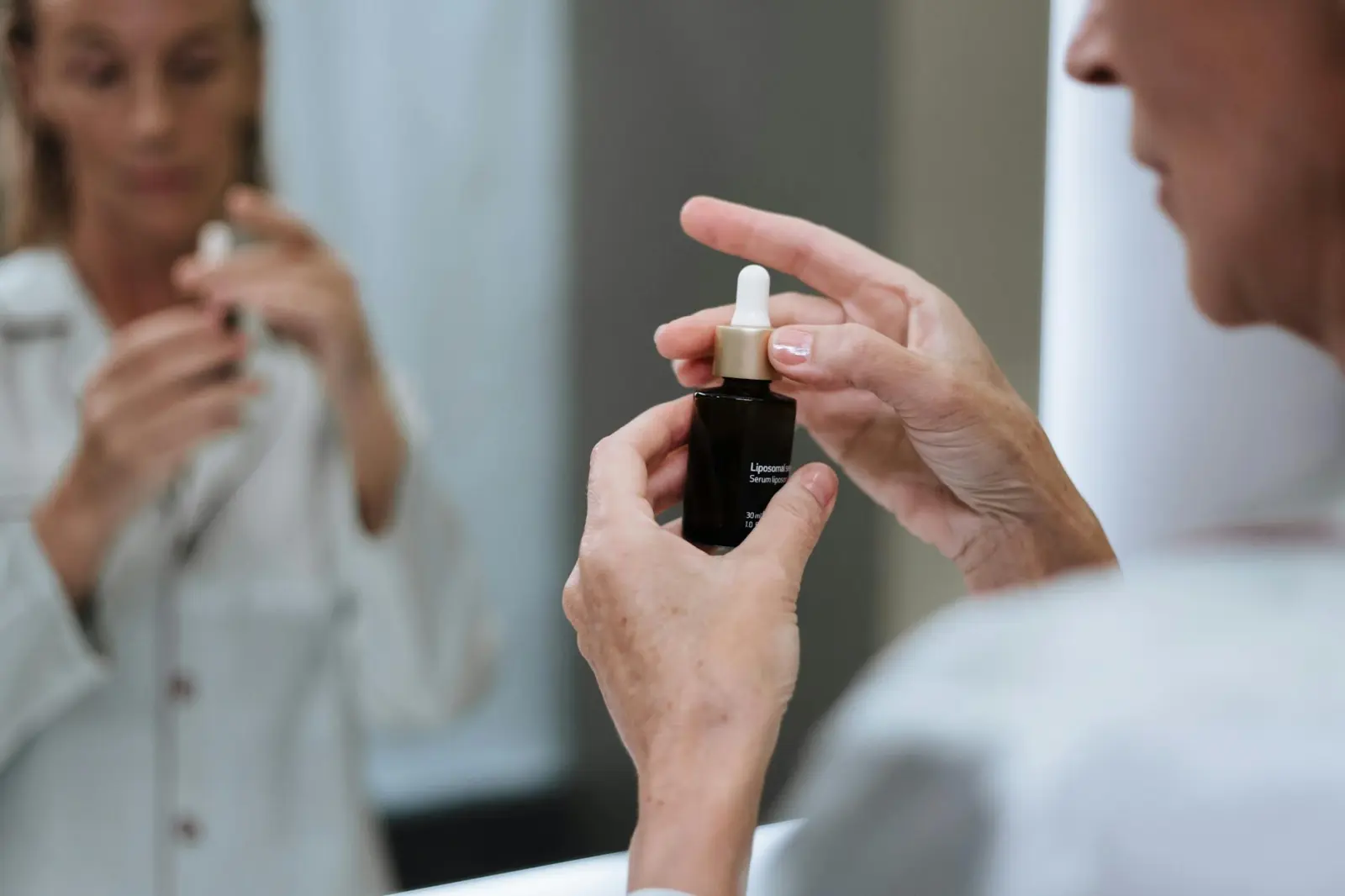
About three years ago, I caught my reflection in a shop window and barely recognised myself. Not because I looked terrible – I didn’t – but because I suddenly noticed things I’d never paid attention to before. Fine lines around my eyes. A slight loss of firmness along my jawline. The kind of subtle shifts that happen gradually until one day they’re just… there. That moment sparked something in me: not panic, but curiosity. I wanted to understand what was actually happening to my skin and, more importantly, what I could realistically do about it based on evidence rather than marketing hype.
What followed was a deep dive into dermatology research, conversations with skincare professionals, and honest experimentation with my own routine. I’ve learned that the anti-ageing skincare landscape is crowded with pseudoscience and empty promises, but there’s also solid, reproducible science underneath it all. The difference between what works and what doesn’t often comes down to understanding the mechanisms behind ageing skin and choosing ingredients and practices that actually address those mechanisms.
Understanding What Actually Changes in Ageing Skin
Before I could make sense of any skincare approach, I needed to understand what I was actually trying to address. Skin ageing isn’t a single process – it’s several things happening simultaneously. Collagen and elastin, the proteins that keep skin plump and bouncy, naturally decline over time. This isn’t something we can completely stop, but we can slow it down and support the skin’s ability to maintain what it has.
I also learned that sun exposure is responsible for a huge proportion of visible ageing – more than intrinsic ageing (the kind determined by genetics and time alone). Dermatologists call this photoageing, and it’s one of the few things we have genuine control over. When I understood that UV damage accumulates and directly damages collagen, it reframed how I thought about sun protection. It wasn’t vanity; it was literally preventing structural damage to my skin.
Cellular turnover also slows as we age. Our skin naturally sheds dead cells and generates new ones, but this process becomes less efficient over time. This is why my skin looked duller and felt rougher than it did ten years ago – not because something was wrong, but because the renewal process was simply slower. This insight pointed me towards ingredients and practices that could support cell turnover without being harsh or irritating.
The Ingredients That Actually Have Evidence Behind Them
I became something of an ingredient detective. There are thousands of skincare products claiming to turn back time, but when I looked at what dermatologists actually recommend and what research supports, the list became much shorter and more manageable.
Retinoids emerged as the most compelling option. I’d heard about them for years but didn’t really understand why they mattered until I read about their mechanism: they increase cell turnover, stimulate collagen production, and address multiple signs of ageing simultaneously. The research on retinoids is genuinely robust – decades of studies showing measurable improvements in fine lines, texture, and skin firmness. I started with a low concentration and built up gradually because I’d also learned that retinoids can be irritating if you rush into them. After about three months of consistent use, I noticed my skin texture had genuinely improved and my fine lines looked softer.
Vitamin C was another one I investigated seriously. The theory is sound – it’s an antioxidant that protects against free radical damage and supports collagen synthesis. The tricky part is that vitamin C is notoriously unstable, so most products don’t deliver enough active ingredient to matter. I eventually found a stabilised form that seemed to make a difference in brightness and evenness, though the effect was subtler than the retinoid.
Sunscreen, though, is where I found the most compelling evidence. This wasn’t glamorous, but study after study shows that consistent daily sun protection is the single most effective anti-ageing intervention available. A research group in Australia followed people over many years and found that those who used sunscreen daily had significantly less photoageing than those who didn’t. I started treating sunscreen not as an optional summer product but as a non-negotiable daily step, and I genuinely believe this has made the biggest difference to how my skin has aged over the past few years.
What I’ve Learned About Realistic Expectations
One of the most valuable lessons from this journey was adjusting my expectations. Skincare can improve the appearance of fine lines, improve texture and brightness, and support skin health – but it can’t erase deep wrinkles or completely reverse years of sun damage. That’s just biology. The goal isn’t to look twenty again; it’s to look like the best version of myself at my current age.
I’ve also recognised that consistency matters far more than complexity. A simple routine I actually stick to beats an elaborate one I abandon after two weeks. My current approach is straightforward: a gentle cleanser, retinoid a few nights a week, vitamin C serum occasionally, a good moisturiser, and daily sunscreen. Nothing fancy, but everything evidence-based and everything I use regularly.
Sleep and hydration have turned out to matter more than I expected. I noticed that when I’m well-rested and drinking enough water, my skin looks noticeably better regardless of what products I’m using. This makes sense physiologically – skin repair happens during sleep, and hydration affects skin plumpness and barrier function. These aren’t skincare products, but they’re part of the anti-ageing picture.
The Things That Didn’t Work for Me
I’ve also learned what doesn’t deliver on its promises. Expensive creams with exotic ingredients rarely outperform simpler formulations with proven actives. Overnight miracle treatments don’t exist. And products marketed as “natural” or “clean” aren’t inherently more effective than conventional ones – efficacy is what matters.
I’ve tried peptide-heavy serums, expensive eye creams, and trendy ingredients that looked promising on paper but made no visible difference to my skin. This taught me to be sceptical of marketing language and to look for actual evidence instead. Just because something sounds scientific doesn’t mean it works.
Moving Forward With What Works
Three years into this process, I’m not obsessed with anti-ageing in the way I might have been if I’d started from a place of anxiety about getting older. Instead, I’ve developed a pragmatic approach: I use evidence-based products consistently, I prioritise sun protection, I sleep well, and I’ve made peace with the fact that my face will continue to change. That’s not failure; that’s just what happens when you live a life worth living.
The skincare industry will keep trying to convince me that I need the next miracle ingredient or the most expensive formulation. But what I’ve learned is that the real anti-ageing approach is much simpler: understand the science, choose ingredients with evidence behind them, use them consistently, and protect your skin from the sun. Everything else is noise.