
There’s a moment that happens to a lot of people – I certainly experienced it – where you catch your reflection and realise you’ve become someone who gets winded walking up stairs. Not dramatically, not dangerously, just… noticeably. I remember standing in my kitchen one afternoon, thinking about how I used to play netball twice a week, and how that version of me felt like a different person entirely. The gap between who I’d been and who I’d become wasn’t measured in years so much as in small, accumulated choices.
I spent months thinking about starting a fitness routine. I’d scroll through Instagram, bookmark workout videos, download apps. I’d tell myself Monday was the day, or January, or after this project finished at work. But there was always a reason to wait. The real turning point came when I stopped thinking of fitness as something I had to do and started recognising it as something I actually wanted to do – but only once I understood what I was really looking for.
Starting From Where You Actually Are
One of the biggest mistakes I made in my head was imagining I needed to start where I’d left off. I thought I’d lace up my runners and slip back into my old routine like no time had passed. That’s not how bodies work, and I learned that lesson quickly when I tried a 45-minute jog after months of barely moving. I was sore for days, discouraged, and convinced I’d made a terrible decision.
What changed was accepting that I was starting fresh. Not as a failure, but as a fact. I was a beginner again, and that was okay. Research from exercise physiology suggests that people who acknowledge their current fitness level and build gradually from there are significantly more likely to stick with a routine long-term than those who try to jump back to old habits. It made sense to me: my body needed time to adapt, and my mind needed to rebuild the habit itself.
I started with walking. Just walking. Three times a week, nothing fancy – around my neighbourhood, usually in the morning before work. It sounds almost too simple, but there was something powerful about showing up consistently for something that didn’t feel punishing. I wasn’t trying to earn back my fitness credentials or prove anything. I was just moving, noticing how my legs felt, how my breathing changed, how the rhythm of it became something I looked forward to rather than dreaded.
Finding the Thing You’ll Actually Do
I think this is where most fitness advice falls short. Everyone tells you to find something you enjoy, but nobody really explains what that means when you’re starting from zero and feeling self-conscious about it. I tried a gym class once in those early weeks, and I hated it. The music was too loud, I felt clumsy, and I spent the whole time comparing myself to people who’d clearly been doing this for years. I left feeling worse than when I arrived.
So I stopped forcing myself into other people’s fitness moulds. Instead, I thought about what I actually liked doing. I’d always enjoyed being outside. I liked podcasts. I liked the feeling of having done something rather than the doing of it. That led me to walking with a podcast, which sounds simple, but it transformed the whole experience. I wasn’t exercising; I was listening to a story and happening to move at the same time. My brain was engaged elsewhere, which meant I could focus on the actual sensation of moving rather than the anxiety of doing it “right.”
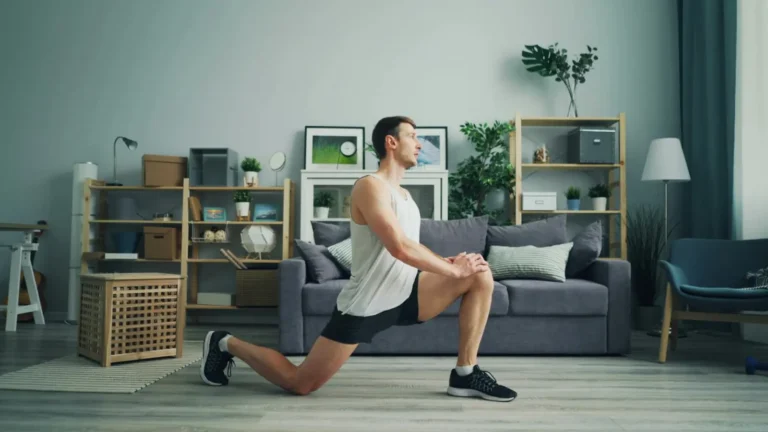
After a few weeks of this, I added some basic bodyweight exercises at home – nothing complicated. Squats, push-ups against the kitchen bench, planks. I did them while watching telly, which meant I wasn’t sitting in silence obsessing over whether I was doing them correctly. The point wasn’t perfection; the point was consistency. And consistency, I discovered, is far more powerful than intensity when you’re just starting out.
Building the Habit, Not the Guilt
One thing I had to learn was the difference between motivation and habit. I started with plenty of motivation – that initial enthusiasm when you’ve made a decision and you’re riding the wave of it. But motivation is fickle. Some mornings I didn’t feel like going for a walk. Some weeks I was busy or tired or just couldn’t be bothered. That’s when I realised motivation was never going to be enough.
What worked was treating fitness like brushing my teeth. I didn’t wake up bursting with enthusiasm to brush my teeth, but I did it anyway because it was part of my routine. I scheduled my walks for the same time each week, made them non-negotiable in my calendar, and got to a point where not going felt strange. My body started expecting that movement, and eventually my mind stopped arguing about it.
I also stopped the guilt spiral when I missed a session. Early on, I’d miss a walk and then feel so bad about it that I’d skip the next one too, as if I’d already failed so why bother. That’s a trap. Now, I just pick it up the next scheduled day without drama. Missing one session doesn’t undo the habit; it’s only when you miss several in a row that things start to slip. Recognising that made the whole thing feel more sustainable.
Small Changes, Big Shifts
What surprised me most was how quickly I started to notice changes. Not the dramatic transformation-story kind, but the real, lived kind. My resting heart rate came down. I could carry groceries without feeling it in my shoulders. I had more energy in the afternoons. My sleep improved. These weren’t things I was chasing; they were things that happened as a side effect of showing up consistently.
I also noticed mental shifts. The walks became a space where I could think, where my mind felt clearer. There’s solid evidence that regular movement improves mood and cognitive function, and I could feel it in my day-to-day life. I was less irritable, more patient with myself and others, and I had fewer of those mid-afternoon slumps where everything felt overwhelming.
After about three months of consistent walking and basic home exercises, I felt ready to try something slightly more challenging. I joined a swimming group – not a class, just a group of people who met at the local pool twice a week. It was low-pressure, social without being intense, and it gave me something new to work towards. I wasn’t competing with anyone; I was just adding variety to what I was already doing.
The Thing Nobody Tells You
Starting a fitness routine isn’t really about fitness. It’s about building a relationship with your own body and learning to trust yourself to show up for yourself. For years, I’d broken promises to myself about exercise. I’d start something and quit. I’d feel guilty about not doing it. I’d use that guilt as a reason not to try again. Breaking that cycle was the real work.
Now, six months in, I’m not someone who’s “gotten fit.” I’m someone who moves regularly and has started to feel at home in my body again. I’m someone who keeps promises to herself. That shift in identity – from someone who means to exercise to someone who exercises – is what’s made it stick. It’s not about willpower or discipline. It’s about finding the version of movement that fits your life and your personality, and then protecting that time like it matters, because it does.