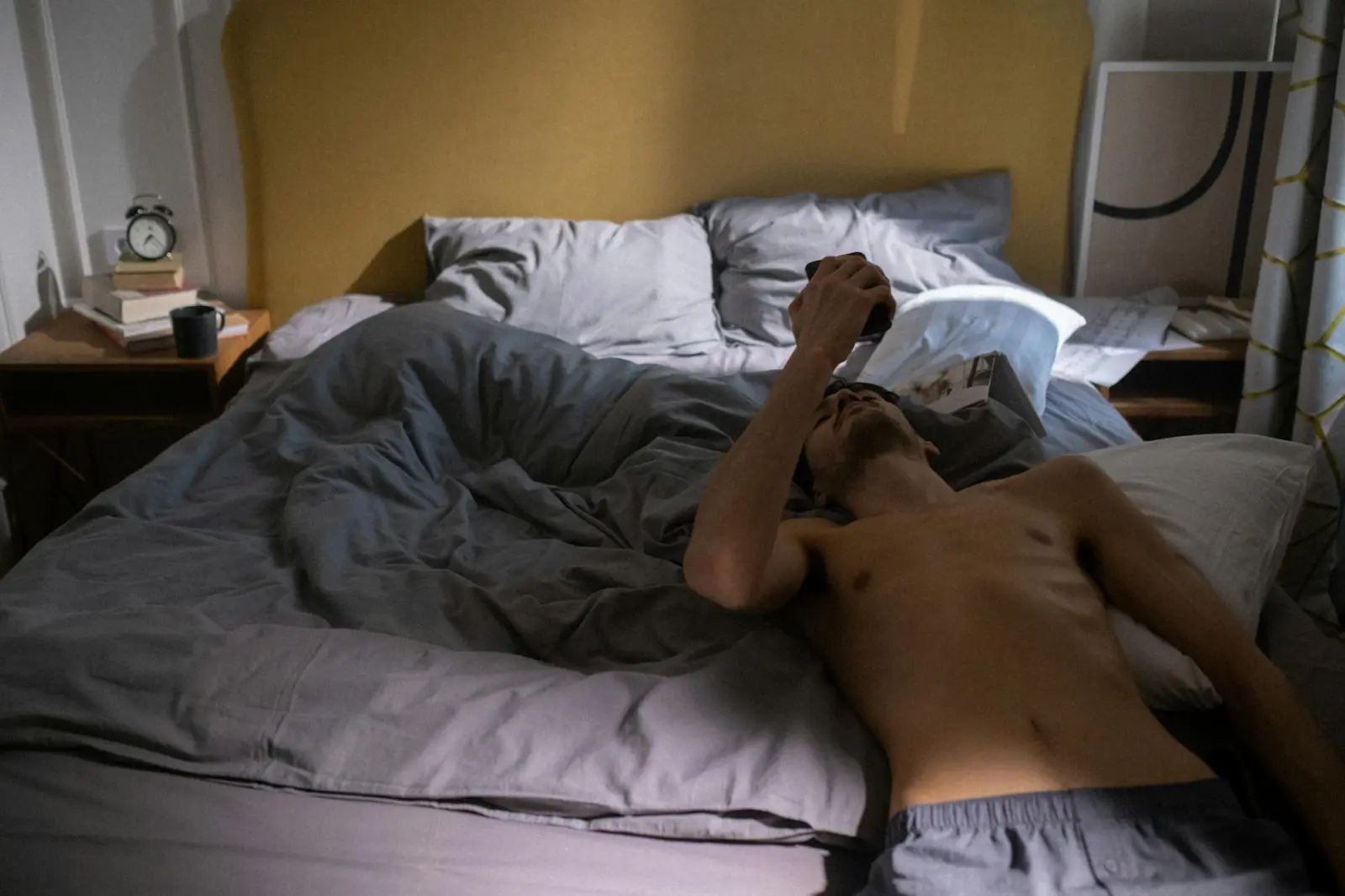
The Night Everything Changed
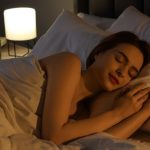
My partner nudged me awake at 3 AM one Tuesday, frustrated and exhausted. “You stopped breathing again,” she said flatly. I dismissed it – I was tired, sure, but wasn’t everyone? I’d been chalking up my daytime exhaustion to a demanding job, irregular sleep schedule, and the general wear of getting older. But her words stuck with me in a way I couldn’t ignore. Over the following weeks, I started paying attention to what she was describing: long pauses in my breathing during sleep, followed by sudden gasps as if I were surfacing from underwater. That’s when I realised this wasn’t just about feeling tired anymore.
Recognising the Signs I’d Been Missing
Looking back, the warning signs had been there for years. I’d wake up with a dry mouth and a headache most mornings. I’d fall asleep during meetings, sometimes without realising it until someone nudged me. My concentration at work had become noticeably worse – I’d read the same email three times and still not absorb it. I’d attributed all of this to stress, age, or just being a bit run down. But once my partner mentioned the breathing pauses, everything clicked into place. I wasn’t just tired; my body wasn’t getting proper oxygen during sleep, which meant my brain and muscles weren’t recovering properly either.
I started researching online and recognised more patterns. I’d always been a loud snorer – something I’d joked about for years. I’d gain weight more easily than I used to, and I struggled with concentration and mood swings. Some nights I’d wake up gasping, though I’d convinced myself it was just a bad dream. The more I read, the more I realised I needed to actually do something about this rather than just accepting it as normal.
Taking the First Step: Getting Tested
I booked an appointment with my GP, feeling slightly silly for bringing it up. But my doctor took it seriously straight away. She asked about my symptoms, my sleep habits, and whether anyone had mentioned my breathing stopping during sleep. She explained that what my partner had observed – the pauses in breathing followed by gasps – is the hallmark of sleep apnea. Rather than diagnosing me on the spot, she referred me for a sleep study, which is really the only way to confirm whether sleep apnea is actually happening and how severe it might be.
The sleep study itself was less intimidating than I’d imagined. I went to a sleep clinic where they fitted me with sensors that monitored my heart rate, oxygen levels, brain activity, and breathing patterns throughout the night. I slept in an unfamiliar room with equipment attached to me, which sounds uncomfortable, but honestly, I was so exhausted that I slept reasonably well. The data they collected over that single night told them everything they needed to know about what was happening when I wasn’t conscious to monitor it myself.
Understanding My Diagnosis
When I got the results back, the sleep specialist explained that I had moderate obstructive sleep apnea. This meant that during sleep, the muscles in my throat were relaxing too much, causing my airway to narrow or close temporarily. Each time this happened, my oxygen levels would dip, and my body would jolt me partially awake to gasp for air. I was experiencing around 20 of these events per hour – which might not sound like much until you realise that means my sleep was being fragmented dozens of times every single night. No wonder I felt like I’d been hit by a truck every morning.
The specialist was clear that this wasn’t something I could just sleep off or fix with better habits alone. Sleep apnea is a structural issue – my airway anatomy, combined with how my muscles behaved during sleep, was the problem. But the good news was that there were proven approaches to manage it effectively. She outlined a few options and explained that the most common and effective treatment was something called CPAP therapy, though there were other paths depending on my preferences and circumstances.
Exploring Treatment Options
I’ll be honest – when the specialist first mentioned CPAP (continuous positive airway pressure), I imagined myself strapped into some medieval contraption. The reality was much less dramatic. A CPAP machine is essentially a small bedside device that delivers a gentle, continuous stream of pressurised air through a mask I wear while sleeping. The air pressure keeps my airway open, preventing those breathing pauses. The mask comes in different styles – some cover just the nose, others cover nose and mouth – and the pressure settings are customised to my specific needs based on the sleep study data.
My specialist also mentioned other options worth knowing about. Some people benefit from positional therapy – essentially training themselves to sleep on their side rather than their back, which can reduce airway collapse for mild cases. Others explore oral appliances, which are custom-fitted mouthpieces that reposition the jaw slightly to keep the airway more open. There’s also the option of weight management, which can genuinely help reduce apnea severity if weight is a contributing factor. And for people who can’t tolerate CPAP or other options, there are surgical approaches, though these are typically considered when other methods haven’t worked.
What struck me was that there wasn’t one single “right” answer – it depended on the severity of my condition, my anatomy, my lifestyle, and what I could realistically stick with long-term. Treatment only works if you actually use it, so finding something that fits into my life was crucial.
My Experience Starting CPAP
I’ll admit the first week was awkward. The mask felt strange on my face, the air pressure felt unusual, and I had to get used to wearing it every night. But I was also sleeping better than I had in years. By night three, I noticed I wasn’t waking up with that awful dry mouth. By the end of the first week, I realised I’d made it through an entire afternoon meeting without my eyes glazing over. My partner reported that the snoring and breathing pauses had stopped completely.
The adjustment period lasted about two weeks. I experimented with different mask styles to find one that was comfortable, adjusted the humidity settings on the machine to stop my nose from drying out, and got used to the routine of cleaning and maintaining the equipment. It became just another part of my bedtime routine, like brushing my teeth. What surprised me most was how quickly I noticed the difference in my daily life – better focus, more stable mood, and genuine energy that I’d almost forgotten I was capable of having.
What I Wish I’d Known Earlier
If I could go back and talk to myself before all of this, I’d tell myself that persistent daytime tiredness isn’t normal and shouldn’t be ignored. I’d spent years attributing it to circumstance when there was actually a treatable condition affecting my sleep quality. I’d also tell myself that getting tested isn’t a big deal – it’s just one night in a sleep clinic, and the information you get is genuinely valuable for your health.
I’d also emphasise that finding the right treatment is a process, not an instant fix. It took me a couple of weeks to adjust to CPAP, and I’ve had to tweak settings and masks along the way. But each adjustment has made a real difference. The key is not giving up after the first uncomfortable night – that’s when most people quit, but that’s also when your body is still adjusting.
Living with sleep apnea now feels manageable, almost unremarkable. I use my CPAP every night without thinking about it much. I sleep better, I feel better, and my relationship with my partner has improved because we’re both actually getting decent sleep. The diagnosis that initially felt like a burden turned out to be the answer to something I’d been struggling with for years. Sometimes the most important health discoveries come not from feeling dramatically unwell, but from paying attention to the small signs your body – and the people who care about you – are trying to tell you.