My mum broke her wrist falling off a step stool last year, and it shook me more than I expected. She wasn’t even doing anything particularly risky – just reaching for something on a high shelf. But watching her recover, seeing how long the healing took, and listening to her physiotherapist talk about bone density made me realise I’d been taking my skeleton for granted. I was in my early forties, felt reasonably fit, and had never given much thought to whether my bones were actually strong. That changed pretty quickly once I started asking questions and doing some reading.
What surprised me most was learning that bone health isn’t something that suddenly becomes relevant when you’re older. The decisions I’m making now – what I eat, how I move, how I manage stress – are literally building the foundation for my bones over the next few decades. I’m not a nutritionist or a doctor, but I’ve spent enough time researching and experimenting to recognise some genuine patterns in how food and lifestyle choices affect bone strength. I want to share what I’ve discovered, because it’s changed how I think about eating and moving.
The Calcium Conversation Nobody Gets Right
Everyone knows calcium is important for bones. That’s not news. But what I didn’t realise was how many people are actually absorbing enough of it, and how much of the calcium advice floating around is either oversimplified or just plain wrong. I grew up hearing that you needed to drink milk, and if you didn’t like milk, you were basically out of luck. That’s rubbish, frankly.
When I started paying attention to what I was actually eating, I noticed my calcium intake was all over the place. Some days I’d have plenty; other days, barely any. The shift came when I stopped thinking of calcium as something that lives exclusively in dairy and started recognising it in the foods I already enjoyed. Leafy greens like kale and bok choy have more calcium per gram than milk does – though you do need to eat more of them to hit the same amount. Tinned fish with bones (yes, the soft bones you can eat) turned out to be brilliant. Tahini on toast became a regular breakfast. Almonds, seeds, fortified plant milks – once I started looking, I found calcium everywhere.
What changed my approach most was understanding that calcium absorption matters just as much as calcium intake. Your body can’t use calcium if it doesn’t absorb it properly. Vitamin D is crucial for this – your intestines literally can’t pull calcium from food without adequate vitamin D. I’d been focusing on the calcium number without thinking about the supporting cast. Now I make sure I’m getting enough vitamin D through sunlight exposure and food sources like fatty fish and egg yolks. In winter, when the sun is lower, I take a supplement. That single shift probably made more difference to my bone health than obsessing over hitting a specific calcium target.
Protein: The Overlooked Bone Builder
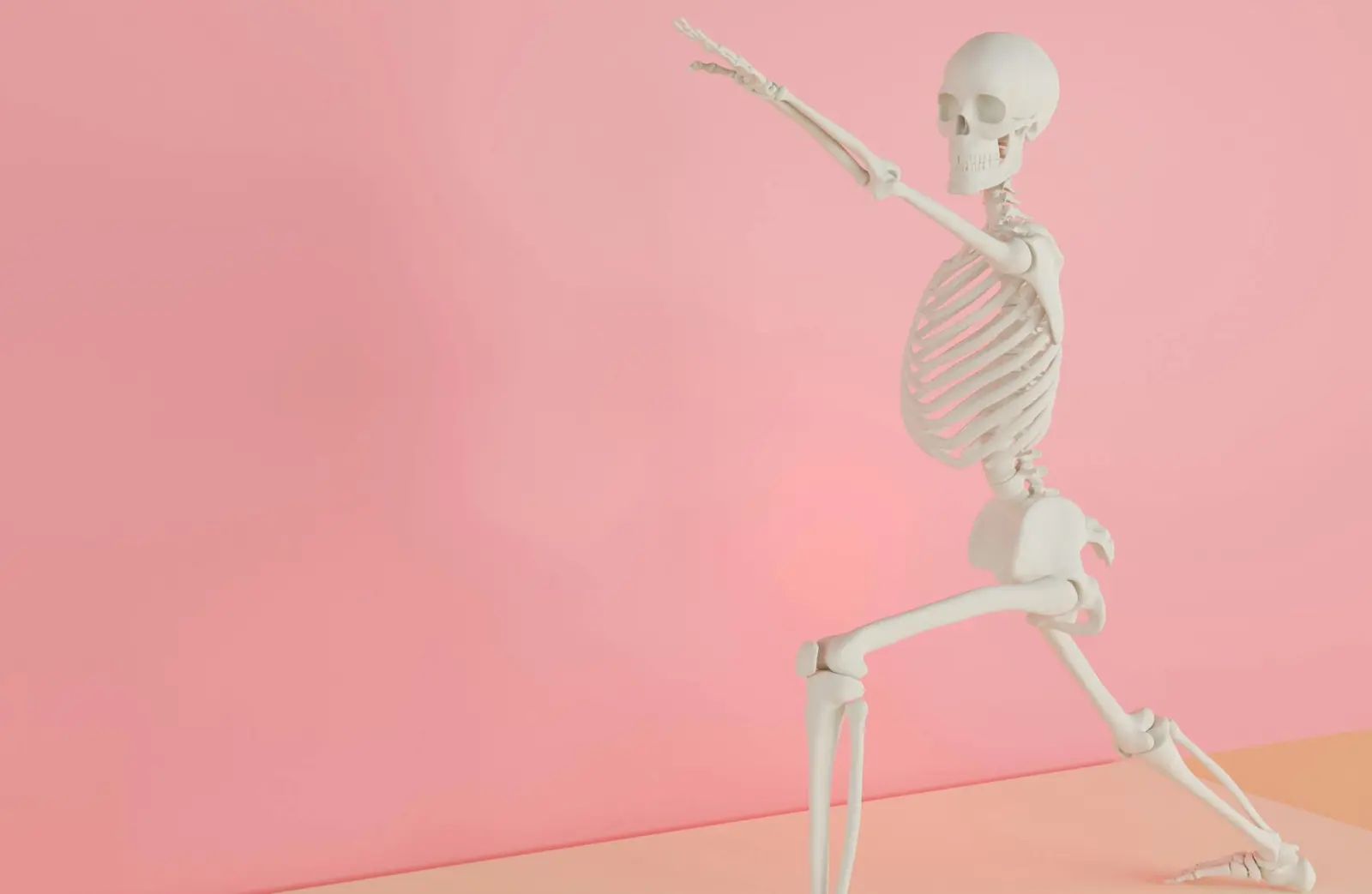
I used to think of protein as something bodybuilders cared about. Turns out, bones are roughly half protein by volume. When I read that, it completely reframed how I thought about my diet. Your bones aren’t just minerals – they’re living tissue with a protein matrix that gives them flexibility and strength. Without adequate protein, you can have all the calcium in the world and still end up with brittle bones.
I started tracking my protein intake more deliberately, aiming for roughly 1.2 grams per kilogram of body weight most days. For me, that’s around 80 grams. It sounds like a lot until you realise that a chicken breast has 30 grams, a cup of Greek yoghurt has 20, and a handful of almonds has about 6. I found that spreading protein across the day – rather than having most of it at dinner – seemed to help me feel more stable and energised. My recovery from exercise improved too, which mattered because movement is the other half of the bone-building equation.
The Minerals Beyond Calcium
Once I started looking beyond calcium, I discovered there’s a whole cast of minerals that bones need. Magnesium, phosphorus, zinc, and copper all play roles in bone structure and strength. I wasn’t deficient in any of these, but I wasn’t exactly abundant in them either. The good news is that if you’re eating a reasonably varied diet – whole grains, legumes, nuts, seeds, leafy greens, and quality protein sources – you’re probably getting enough.
What did shift for me was recognising that some of my habits were actually working against my bone health. I’d been drinking a lot of coffee, and whilst moderate coffee consumption is fine, excessive caffeine can interfere with calcium absorption. I cut back to two cups a day instead of four or five. I also noticed I wasn’t eating many whole grains; most of my carbs were coming from refined sources. Switching to brown rice, oats, and wholemeal bread meant I was getting more magnesium and other minerals my bones actually needed. These weren’t dramatic changes, but they added up.
Movement and Strain: The Part Food Can’t Do Alone
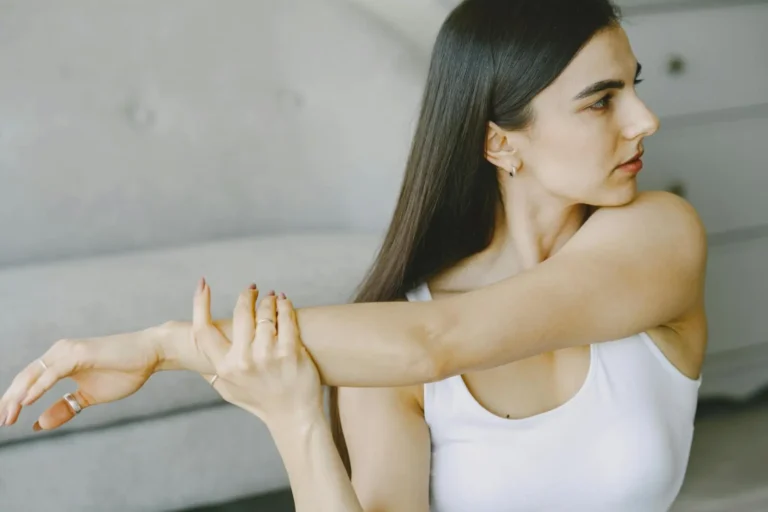
Here’s what nobody tells you: your bones respond to stress. Not emotional stress, but physical stress – the kind that comes from moving, lifting, and challenging your muscles. Bones actually remodel themselves in response to the demands placed on them. I’d been doing steady-state cardio for years, which is fine for cardiovascular health, but it doesn’t do much for bone strength. Adding resistance training – weights, bodyweight exercises, even just walking uphill – made a noticeable difference in how I felt and how my body responded.
I’m not talking about becoming a gym enthusiast or training for a competition. I started with simple things: carrying groceries in both hands instead than in a bag, doing squats whilst waiting for the kettle to boil, taking the stairs instead of the lift. I added two sessions of proper resistance work per week, nothing fancy. The combination of better nutrition and actual physical stress on my bones seemed to create a real shift. My posture improved, I felt stronger, and I stopped getting that creaky feeling in my knees when I stood up after sitting for a while.
What I’m Doing Now, and Why It Matters
My daily approach to bone health now feels straightforward because I’ve stopped thinking of it as a special project and made it part of how I eat and move. I aim for variety in my diet – different coloured vegetables, different protein sources, whole grains, nuts and seeds. I make sure I’m getting enough vitamin D, either through sunlight or supplements. I do resistance work twice a week and try to stay generally active the rest of the time. I’ve cut back on excessive caffeine and alcohol, not because they’re forbidden, but because I noticed they made me feel less resilient.
The reason this matters to me isn’t abstract. I want to be the kind of older person who can reach for things on high shelves without fear. I want to stay active, travel, play with my nieces without worrying about breaking something. My mum’s wrist fracture was a wake-up call, but it’s also been a gift in a weird way. It forced me to pay attention to something I’d been ignoring, and that attention has made me feel genuinely stronger and more capable. The bones I’m building now are the ones I’ll be living in for the next forty or fifty years. That’s worth taking seriously.