Three years ago, I stood in my kitchen staring at a chicken breast I’d just defrosted, and something shifted. It wasn’t a dramatic moral awakening or a health scare – just a quiet realisation that I’d stopped enjoying meat the way I used to. I’d been eating it out of habit, not hunger. That evening, I decided to experiment with going vegetarian, mostly out of curiosity. I had no idea what I was doing.
What followed was months of trial and error. I made mistakes – lots of them. I lived on pasta and cheese for weeks. I felt sluggish and didn’t understand why. I assumed vegetarian eating meant I could just remove the meat and call it a day. Spoiler alert: that’s not how nutrition works. But over time, I learned what actually matters when you’re eating plant-based, and I’ve come to genuinely enjoy the way I eat now. More importantly, I feel better than I did before.
Why I Started – And Why People Actually Make the Switch
Most conversations about plant-based eating get stuck on ideology. People assume it’s all about animal rights or environmental guilt. For some, sure. But in my experience talking to others who’ve made the shift, the reasons are far more varied and personal. Some people have digestive issues that improve without meat. Others notice their energy levels stabilise. A few simply prefer how they feel – less bloated, less heavy after meals. One friend switched because she got tired of the logistics of handling raw chicken safely. Another did it for cost reasons and discovered she actually preferred the food.
I think this matters because it means there’s no single “right” reason to eat plant-based, and there’s no single way to do it well. Whether you’re going fully vegan, mostly vegetarian, or just eating less meat, the nutritional principles are the same: you need to be intentional about what you’re eating.
The Protein Question – And Why It’s Not As Complicated As People Think
Every single person who learned I’d gone vegetarian asked the same thing: “But where do you get your protein?” I used to find it annoying. Now I understand why people ask – it’s genuinely important, and a lot of plant-based eaters get it wrong.
Here’s what I’ve learned: you don’t need meat to get protein, but you do need to know what you’re eating. Legumes are the backbone of my diet – lentils, chickpeas, black beans, split peas. A cup of cooked lentils has about 18 grams of protein. Tofu and tempeh are reliable, though I’ll admit they took me a while to learn how to cook properly. Nuts, seeds, and whole grains contribute too. A bowl of quinoa with chickpeas and tahini dressing gives me a solid protein hit, and it’s genuinely delicious once you get the seasoning right.
The thing I didn’t expect was how much easier meal planning became once I stopped thinking of protein as something that had to be the centrepiece of every meal. Instead, I started building meals where protein was distributed throughout – a bit from grains, a bit from legumes, a bit from nuts or seeds. Research from nutritionists at major universities has shown that plant-based eaters who eat a variety of whole foods consistently meet their protein needs without obsessing over it.
The Nutrients That Actually Need Your Attention
Protein gets all the attention, but honestly, it’s not where I stumbled. Where I struggled – and where I see others struggle – is with the nutrients that are genuinely harder to get from plants alone.
Vitamin B12 is the big one. This is non-negotiable: if you’re vegan or mostly vegetarian, you need a reliable source. I take a supplement. Some people use fortified plant milks or nutritional yeast, but I prefer the certainty of a supplement. It’s cheap, it works, and there’s no guesswork. Iron is another consideration, though it’s less dire than people think. Plant-based iron is absorbed less efficiently than animal iron, but eating vitamin C alongside iron-rich foods (like lentils with tomatoes, or spinach with lemon) genuinely helps. I had my iron levels checked after six months of being vegetarian, and they were fine.
Calcium, omega-3 fatty acids, and iodine are worth thinking about too, but they’re manageable. Fortified plant milks, leafy greens, seeds like flax and chia, and a pinch of iodised salt cover most of it. I won’t pretend it’s as effortless as eating an omnivorous diet – it requires a bit more awareness. But it’s not complicated either.
What Actually Changed for Me – The Practical Reality
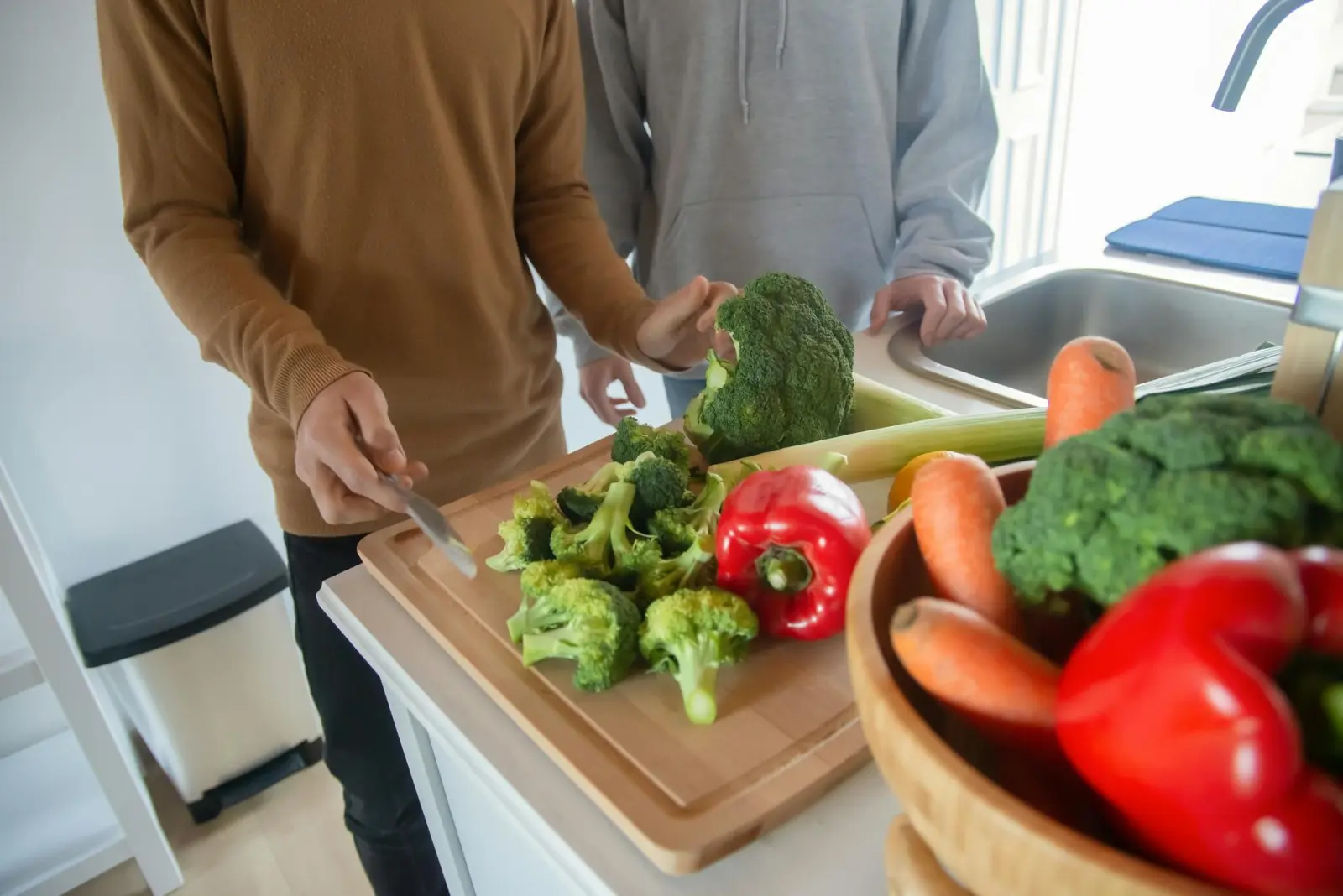
Beyond the nutrition stuff, there were real lifestyle shifts I didn’t anticipate. Grocery shopping changed. I started spending more time in the dried goods aisle and less time in the meat section. I learned to cook differently – more roasting of vegetables, more experimentation with spices and sauces, less reliance on meat as the “main event” of a meal. My kitchen skills genuinely improved because I had to learn how to make food taste good without falling back on old habits.
Social situations got easier after an awkward phase. Early on, I felt self-conscious at dinner parties. Now I just bring a dish I know I can eat, and honestly, people are usually interested rather than judgmental. I’ve found that most restaurants have options if you’re not precious about it. And I’ve discovered that cooking plant-based food for others often impresses them more than I’d expect – a really good vegetable curry or a properly seasoned bean chilli is genuinely satisfying to eat.
The financial side surprised me. I expected plant-based eating to be cheaper, and it is – mostly. Beans and lentils are incredibly inexpensive. But if you rely on specialty vegan products (mock meats, fancy plant-based cheeses), it gets pricey fast. I mostly don’t. I eat whole foods, and my grocery bill is noticeably lower than it was when I was buying meat regularly.
The Energy Shift – What Nobody Really Talks About
This is the part that convinced me to stick with it. After about six weeks of eating vegetarian, my energy levels stabilised in a way they hadn’t before. No more afternoon crashes. No more that heavy, sluggish feeling after lunch. I sleep better. My digestion is more predictable. I’m not claiming this happens for everyone – people’s bodies are different – but for me, it was noticeable enough that I didn’t want to go back.
I think this happened partly because I’m eating more whole foods and fewer processed ones, but also because my meals are more balanced. When you’re building meals around legumes and vegetables instead of meat, you naturally end up with more fibre and more micronutrients. Your blood sugar doesn’t spike and crash the same way.
The Honest Bits – Where Plant-Based Eating Isn’t Easy
I want to be clear: this isn’t a perfect way of eating, and I’m not evangelising. There are genuinely annoying parts. Eating out in certain places is limited. Some social situations require explanation or negotiation. If you’re eating plant-based on a very tight budget in an area with limited access to diverse foods, it’s harder. And yes, you do need to pay attention to nutrition in ways that omnivorous eaters sometimes don’t have to.
I also recognise that plant-based eating isn’t accessible or appropriate for everyone. Some people have health conditions that make it difficult. Some live in food deserts. Some have cultural or personal reasons that make it feel wrong. That’s all valid. What matters is that you’re eating in a way that works for your body and your life.
What I’d Tell Someone Starting Out
If you’re thinking about eating more plant-based, here’s what I’d actually suggest: start by adding, not subtracting. Add more legumes, more vegetables, more whole grains. Don’t start by cutting things out – that mindset leads to feeling deprived. Once you’ve got a repertoire of plant-based meals you actually enjoy, the rest follows naturally.
Learn to cook a few things really well. Master a good curry, a solid stir-fry, a reliable chilli, a decent grain bowl. These become your foundation. Invest in a few staple ingredients – good spices, quality oils, reliable legumes – and build from there.
Get your B12 sorted from day one. Seriously. Don’t wait to see if you need it. Just take a supplement. It’s the one non-negotiable thing.
And finally, give it time. Your taste buds adjust. Your cooking skills improve. Your body adapts. What feels difficult in week two feels normal by week twelve. Three years in, I don’t think about being vegetarian anymore – I just eat the food I enjoy, which happens to be plant-based. That’s when you know it’s actually working.