
My mother called me in a panic last Tuesday. She’d taken her blood pressure tablet twice by accident and wasn’t sure if she should take her evening medication or skip it. As I talked her through what to do, I realised how easily these mix-ups happen when you’re managing five, six, sometimes ten different medications. It’s not about being forgetful or careless – it’s about the sheer complexity of keeping track of pills with different names, different schedules, and different instructions. That conversation sparked something in me. I started asking friends and family members about their own medication routines, and I discovered I wasn’t alone in feeling a bit overwhelmed by it all.
The Reality of Taking Multiple Medications
When you reach your sixties and beyond, the likelihood of managing multiple medications climbs significantly. I’ve watched this unfold in my own family – what started as one tablet for cholesterol gradually became two for blood pressure, then something for arthritis, then a vitamin supplement recommended by the GP. Each one makes sense on its own. Each one addresses something real. But together, they create a puzzle that requires genuine attention and organisation.
I’ve learned that this situation is incredibly common. Research from various health organisations suggests that people over 65 often take between five and nine regular medications, and some take considerably more. The challenge isn’t just remembering to take them – it’s understanding how they interact with each other, recognising side effects, and knowing what to do if you’ve missed a dose or accidentally taken a double dose. I used to think this was something only the very elderly had to worry about, but I’ve seen it affect people in their early sixties too.
Getting Organised: The Systems That Actually Work
After my mother’s scare, I helped her set up a proper system, and I’ve since learned what seems to work best for most people. The first thing I did was sit down with her and write out every single medication – the name, the dose, the time of day, and what it’s for. This sounds basic, but you’d be surprised how many people don’t have this information written down clearly. We kept it on the fridge and in her handbag. That simple act alone reduced her anxiety noticeably.
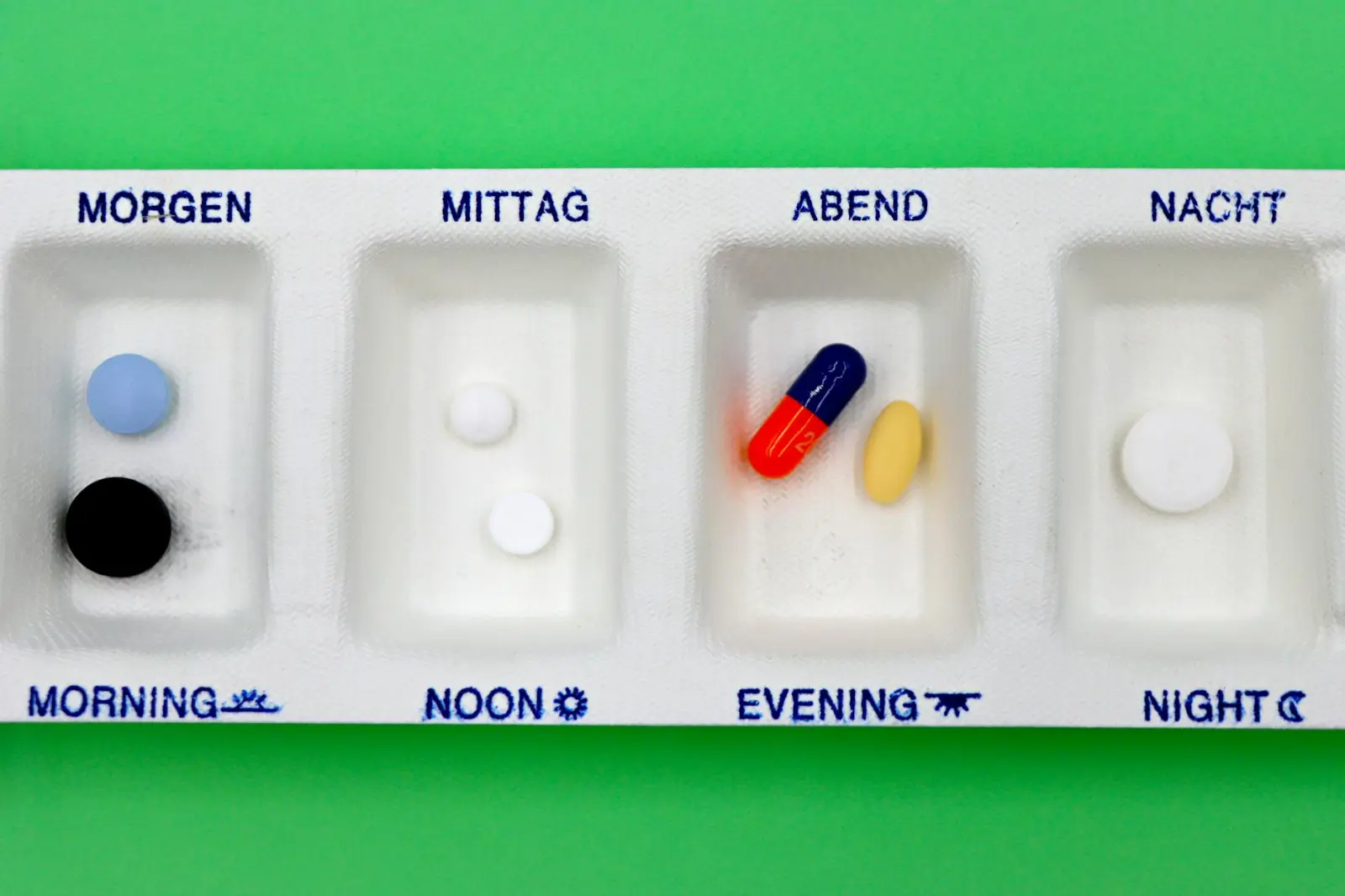
Then came the pill organiser. I know this sounds obvious, but I resisted it for years because it felt like admitting I needed help. Once I actually started using one, though, I wondered why I’d waited so long. A weekly pill organiser means you can fill it once a week and see at a glance whether you’ve taken your morning tablets. Some people prefer daily organisers; others use apps that send phone reminders. The key is finding something you’ll actually use consistently. I’ve found that the physical, tactile experience of putting pills into compartments helps me remember better than a digital reminder ever did.
I also started keeping a simple log. Nothing fancy – just a notebook where I jot down when I take my medications. It takes thirty seconds, but when my GP asks if I’ve been taking my tablets regularly, I have actual evidence rather than a vague sense that I probably have. This has also helped me spot patterns. I noticed, for instance, that I was forgetting my lunchtime tablet more often than the others, so I moved it to a time when I’m more likely to remember – right after I make my coffee.
Understanding Interactions and Side Effects
One thing I wish I’d understood earlier is how medications can interact with each other, and how they can interact with foods and supplements. I discovered this the hard way when I started taking a new arthritis medication and suddenly felt unusually tired. I assumed it was just age catching up with me until I mentioned it to my pharmacist, who explained that the new medication could interact with my blood pressure tablet, and together they were making me drowsy. Once we adjusted the timing – taking them at different times of day – the problem largely resolved.
This is where your pharmacist becomes genuinely valuable. I used to think the pharmacist was just the person who handed over the pills, but I’ve learned they’re actually medication experts. They can tell you about side effects, interactions, and whether it’s safe to take a particular over-the-counter painkiller with your regular medications. I now make a point of asking my pharmacist directly about any new medication, and I’ve found them incredibly helpful. They’re also more accessible than your GP for quick questions, and they won’t judge you for asking something you think might be obvious.
Staying on Top of Refills and Reviews
I’ve also learned the importance of staying ahead of refills. There’s nothing worse than running out of a medication on a weekend or realising mid-week that you can’t get your prescription filled until tomorrow. I now check my medication supplies every Sunday and request refills early. Most pharmacies will hold prescriptions for a reasonable amount of time, so there’s no harm in being proactive.
Another thing I’ve started doing is asking for a medication review with my GP once a year. Sometimes medications are prescribed for a specific reason that’s no longer relevant, or a new medication makes an old one unnecessary. I had a statin prescribed years ago that I’ve been taking ever since without question, but when I finally asked about it, my GP suggested we could probably stop it safely. That’s one fewer pill to remember, and one fewer potential interaction to worry about. It’s worth having that conversation.
The Practical Reality of Getting It Right
I won’t pretend this is always easy or that I never make mistakes. I still occasionally take a tablet at the wrong time or forget whether I’ve taken something. The difference now is that I have systems in place that catch these mistakes before they become problems. I know who to ask when I’m unsure. I keep good records. I’m organised enough that a small slip-up doesn’t derail everything.
What I’ve learned most of all is that managing multiple medications in your senior years isn’t something to be embarrassed about or to handle alone. It’s a normal part of ageing, and there are genuinely useful strategies that make it manageable. The investment of time in getting organised at the start pays dividends in peace of mind and safety down the track. My mother still calls me occasionally with medication questions, but she hasn’t had another accidental double dose. That matters to me more than I can say.