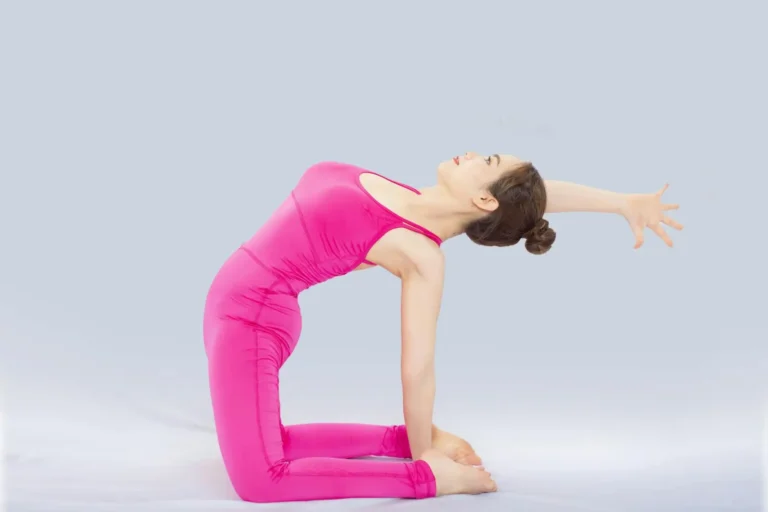

Three years ago, I was that person in the gym who looked down on yoga. I’d spend forty-five minutes pounding the treadmill, lift weights until my muscles burned, and leave feeling like I’d “earned” my day. But somewhere around my mid-thirties, my body started sending clearer messages. My lower back ached after deadlifts. My shoulders hunched forward from desk work. I’d wake up stiff, stretch for two minutes, and wonder why nothing seemed to improve. A friend casually mentioned she’d added yoga to her routine and noticed her recovery improved. I dismissed it as too slow, too gentle, not “real” exercise. I was wrong.
The Wake-Up Call
The turning point came after a particularly brutal leg day. I couldn’t walk down stairs properly for three days. Not injured, exactly – just incredibly sore and tight. I remember sitting at my desk, shifting uncomfortably every few minutes, and thinking there had to be a better way to train. That evening, I watched a YouTube video on mobility work and saw someone doing what looked like simple yoga poses. Out of desperation more than genuine interest, I tried a twenty-minute flow the next morning.
I was humbled immediately. Poses that looked effortless in the video revealed just how tight my hips, hamstrings, and shoulders actually were. I couldn’t hold downward dog without my heels lifting off the ground. Child’s pose felt intense. I finished feeling oddly energised but also aware of every limitation in my body. The next day, my legs felt less sore. The day after that, I could walk downstairs normally. That small win changed my perspective entirely.
Why Yoga Fits Into a Strength Routine
I used to think yoga and strength training were competing activities – that time spent on a mat was time not spent building muscle. What I’ve learned is that they’re actually complementary. Yoga addresses something my lifting routine completely ignored: mobility, stability, and body awareness. When you spend most of your week contracting muscles in specific patterns (bench press, squats, rows), your body adapts to those patterns. Antagonist muscles weaken. Joints lose range of motion. Fascia tightens. Yoga doesn’t replace strength work; it fills the gaps.
Research from the Journal of Strength and Conditioning Research has shown that adding mobility and flexibility work to a strength programme can actually improve lifting performance and reduce injury risk. That made sense to me once I started practising. When I could finally get into a proper squat position with my chest upright and knees tracking over my toes – something yoga hip openers helped with – my squat felt stronger and more stable. I wasn’t just moving weight; I was moving better.
The breathing component of yoga has been another revelation. I’d never paid attention to my breath during workouts. I’d just hold it, push hard, and move on. Yoga taught me to breathe deliberately, to use my diaphragm, to stay calm under tension. That’s translated directly into my lifting. I’m more controlled, more aware, and ironically, I can lift more weight because I’m not fighting my own nervous system.
Finding the Right Integration
My first mistake was trying to do too much. I attempted a sixty-minute yoga class on the same day as heavy leg day, and I was wrecked. I learned quickly that yoga works best when it’s not competing with your main workout for recovery resources. Now, I practise yoga on lighter training days or as active recovery. On days when I do strength work, I might do fifteen to twenty minutes of gentle yoga in the evening – nothing intense, just enough to mobilise tight areas and calm my nervous system before bed.
I’ve also learned that different styles serve different purposes. Vinyasa flow is more dynamic and can work as a conditioning tool on its own. Yin yoga, where you hold poses for several minutes, is brilliant for deep tissue release and mobility work. Hatha is steady and methodical, great for building awareness. I don’t stick to one style religiously. Some weeks I lean toward yin when I’m particularly sore; other weeks, a flowing vinyasa class feels right. The key is listening to what my body actually needs rather than following a rigid plan.
The Unexpected Benefits
Beyond the physical improvements, yoga has changed how I relate to discomfort and effort. In the gym, I’m conditioned to push through pain, to chase that burn, to see struggle as a sign of progress. Yoga taught me the difference between productive tension and harmful strain. There’s a pose I can’t quite do yet – a deep backbend that requires shoulder mobility I haven’t built. Instead of forcing it, I’ve learned to work at the edge of my range, breathe into it, and trust that consistency will eventually open it up. That patience has actually made me a smarter lifter.
I’ve also noticed my posture has genuinely improved. I’m not hunched over my desk anymore. My shoulders sit back naturally. My lower back doesn’t ache at the end of the day. These aren’t dramatic changes, but they’re real, and they compound. When your body feels better throughout the day, you move better, train better, and recover better. It’s a virtuous cycle.
What I’d Tell My Former Self
If I could go back and talk to the version of me who dismissed yoga as “not real exercise,” I’d tell him that strength and mobility aren’t opposing forces. They’re partners. The strongest, most resilient version of yourself isn’t built in the gym alone. It’s built in the gym, on the mat, in how you move through your day, and in how you recover. Yoga isn’t a replacement for lifting; it’s the missing piece that makes lifting sustainable and effective over years, not just months.
I still love heavy compound lifts. I still get that satisfaction from adding weight to the bar. But now I also value the quiet focus of holding a challenging pose, the release of a good stretch, and the clarity that comes from breathing deliberately. My routine has become more balanced, and honestly, that balance has made me stronger – not just in my muscles, but in how my body functions as a whole. That’s worth more than any personal record.