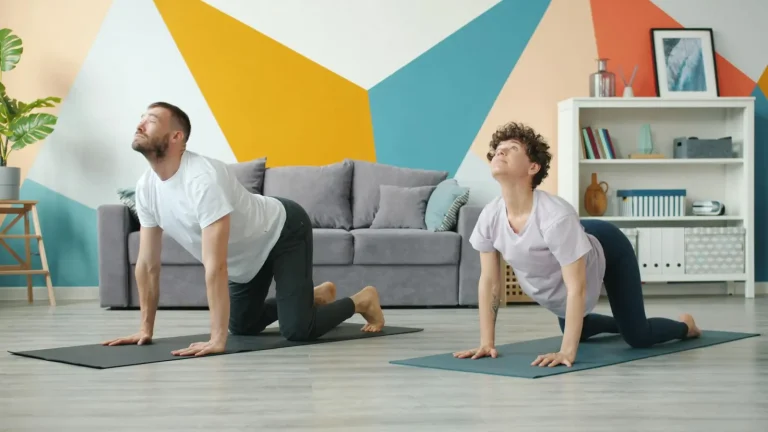
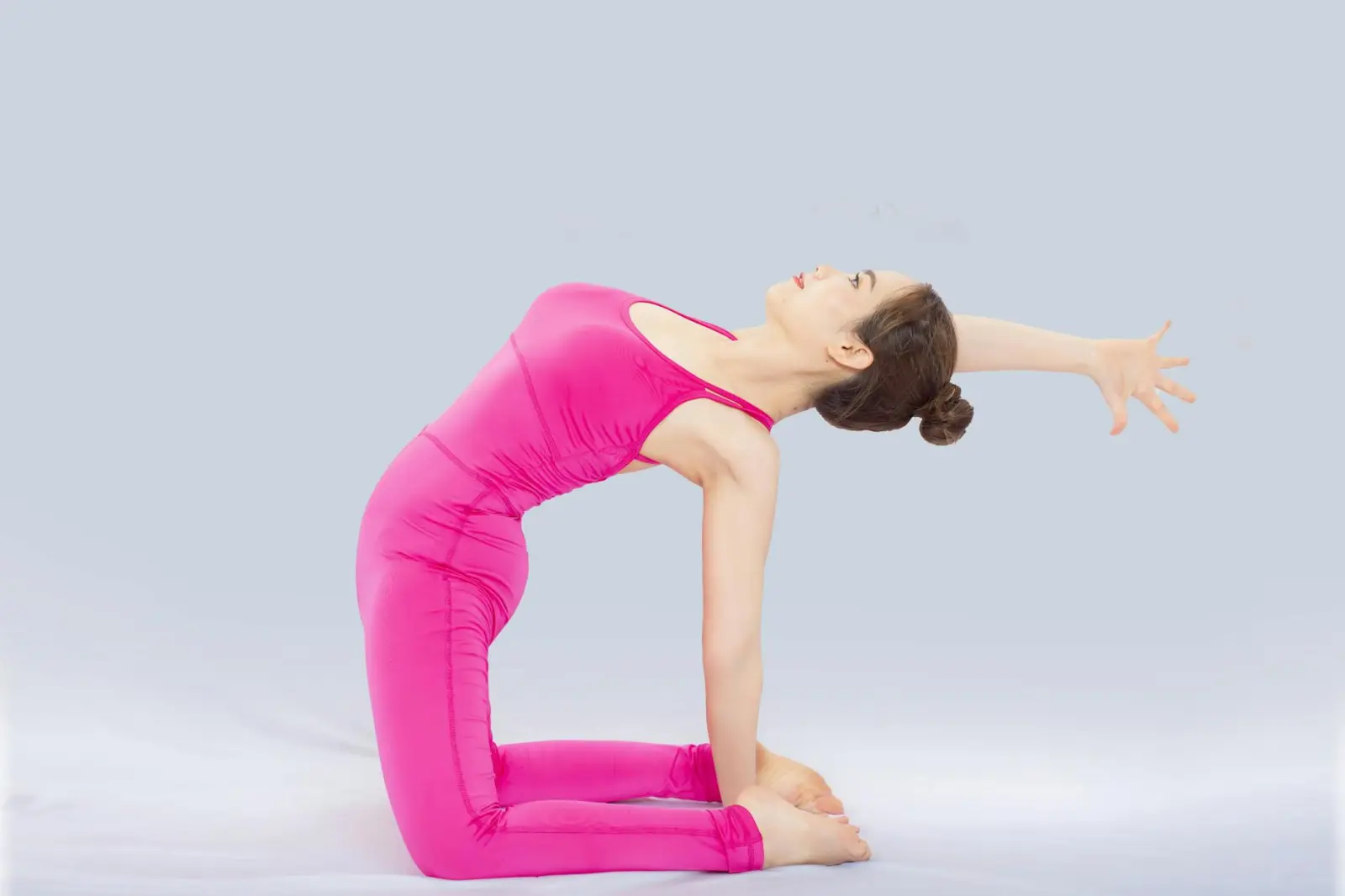
That was five years ago. I’m not a yoga evangelist now, but I’ve learned enough to recognise why so many people quit after one class – and more importantly, why the ones who stick with it often say it changed their life. I’ve watched friends transform their relationship with their bodies, seen colleagues manage stress better, and noticed my own posture improve without consciously thinking about it. What surprised me most wasn’t the physical stuff, though. It was how much of yoga is actually about showing up as you are, not as you think you should be.
Why I Started (And Why Most People Don’t Stick Around)
I came to yoga through the back door. My physiotherapist recommended it for lower back tightness that wouldn’t shift despite stretching and core work. I was sceptical. Yoga seemed like something people did in expensive studios while sipping green smoothies, not something that would actually help my dodgy lumbar spine. But I was desperate enough to try.
The first few weeks were genuinely uncomfortable. Not painful, but awkward. I couldn’t hold poses that looked effortless when the instructor demonstrated them. My hamstrings felt like steel cables. I’d watch other people in the class move fluidly through sequences whilst I was still figuring out which way my feet should point. I almost quit after week three.
What kept me going wasn’t motivation or discipline – it was something smaller and more honest. The instructor, Sarah, pulled me aside after class and said something I didn’t expect: “You’re doing exactly what you need to do right now. That’s the whole point.” She wasn’t being kind in a patronising way. She was pointing out that I was comparing my beginning to someone else’s middle, and that comparison was the only thing actually holding me back.
The Physical Changes (And Why They Take Longer Than You’d Think)
I’d love to tell you I felt amazing after my first week. I didn’t. My shoulders were sore, my wrists ached from downward dog, and I was genuinely confused about why holding your body in certain shapes was supposed to be relaxing. But around week four or five, something shifted. Not dramatically – nothing like the before-and-after photos you see online. Just small things. I noticed I was sitting up straighter at my desk without thinking about it. My back didn’t ache after long work days the way it used to.
Research into yoga’s physical benefits has found consistent improvements in flexibility, balance, and core strength, particularly when people practise regularly over several months. What I’ve observed in my own practice and in others is that these changes happen quietly. You don’t wake up one morning suddenly bendy. Instead, one day you reach for something on a high shelf and realise you didn’t have to stand on your toes. You bend down to pick something up and notice your back doesn’t protest. These small wins are what keep people going, even when they’re not seeing dramatic transformations.
The strength component surprised me. I assumed yoga was just stretching. I’d done Pilates before and thought I understood core work. Yoga uses your own bodyweight in ways that build stability and functional strength – the kind that actually helps you move through life, not just look good in a gym photo. Holding a plank, pushing through a chaturanga, balancing in warrior three – these things demand real strength. I stopped thinking of yoga as the “easy” option pretty quickly.
What Nobody Tells You About the Mental Side
The physical stuff was predictable once I understood what I was doing. The mental side blindsided me. I went to yoga to fix my back. I stayed because of what it did to my anxiety.
I’m not naturally a calm person. I’m a planner, a worrier, someone who runs through worst-case scenarios in the shower. Yoga didn’t cure that, but it gave me something I didn’t expect: a space where my brain could actually stop. Not through meditation – I’m terrible at sitting still and thinking about nothing. But through the simple act of focusing on breath and movement for sixty minutes, my nervous system would reset. I’d leave class feeling lighter, not because anything had changed in my life, but because I’d given my mind permission to stop working for a bit.
I’ve read studies suggesting that regular yoga practice can influence stress markers and cortisol levels, but I didn’t need a study to know it was working. I just noticed I was less reactive. Traffic jams didn’t wind me up as much. Work deadlines felt manageable. I wasn’t meditating or doing anything special – I was just moving my body in intentional ways and breathing, and somehow that was enough.
The Practical Stuff: How to Actually Start Without Overthinking It
If you’re thinking about starting yoga, here’s what I wish someone had told me from the beginning. You don’t need the fancy mat, the expensive studio, or the matching activewear. I started with a rolled-up towel and YouTube videos in my living room. That’s not ideal long-term, but it’s a perfectly valid way to figure out if you actually like it before you commit money and time.
Find a style that matches your temperament. I tried hot yoga once and hated it – felt like I was in a sauna doing gymnastics. I tried vinyasa flow and felt rushed. I found my groove with a slower, more alignment-focused class where the instructor actually explained what we were doing and why. That matters more than you’d think. If the class feels wrong, it’s not because you’re not cut out for yoga. It’s because you haven’t found the right teacher or style yet.
Go in with realistic expectations. Yoga won’t fix everything. It won’t give you six-pack abs or make you enlightened. But it will probably improve your flexibility, give you a stronger core, and create a space in your week where you’re not checking your phone or worrying about your to-do list. For me, that’s been worth the investment of time.
Start with two classes a week if you can, or even one. Consistency matters far more than intensity. I’ve seen people do intense yoga once a week and see minimal progress, and others who practise gently three times a week and transform their bodies and minds. Your body adapts to what you do regularly, not what you do occasionally.
Where I Am Now
Five years in, yoga is just part of my week. I don’t think about it much anymore, which is probably the best sign that it’s actually working. My back pain is gone. I’m stronger and more flexible than I was in my twenties. I sleep better. I’m less anxious. I’ve made friends in my yoga community – real friendships, not just “people I see on mats.”
I still can’t do a handstand. I still feel self-conscious sometimes. I still have weeks where I skip class and have to ease back in. But I’ve stopped waiting to be “good enough” to deserve to be there. That was the real shift for me. Yoga wasn’t about becoming someone else. It was about showing up as myself, week after week, and letting my body gradually remember what it’s capable of.
If you’re standing where I was five years ago – sceptical, a bit intimidated, not sure if this is really for you – I’d say this: try it. Not because it’s trendy or because everyone’s doing it. Try it because your body probably needs to move, your mind probably needs a break, and you deserve to spend an hour doing something that feels good. The rest will follow.