

Most people think of eye care as a once-a-year checkup and a new pair of glasses. The reality is far broader. True comprehensive eye care covers everything from early detection of silent diseases to cataract surgery and other surgical corrections that can restore years of lost clarity. Practices like Intermountain Eye Center represent this full-spectrum approach – offering routine eye exams, advanced medical and surgical treatment for cataracts, glaucoma, retinal and corneal disorders, refractive procedures including LASIK, PRK, and ICL, optical services, and specialized oculoplastic treatments, all under one roof. That kind of continuity means patients aren’t bounced between providers. They get coordinated, patient-focused care built around protecting vision and improving long-term eye health.
Routine Exams Are the Foundation
A dilated eye exam does more than check whether you need a stronger prescription. It gives your doctor a direct look at blood vessels, the optic nerve, and the retina – structures that reveal early signs of glaucoma, macular degeneration, diabetic retinopathy, and even systemic conditions like high blood pressure. Many of these problems develop without symptoms. By the time you notice a change in your vision, the damage may already be significant.
Annual exams are especially critical for adults over 40, anyone with a family history of eye disease, and people managing diabetes or autoimmune conditions. Catching a problem early often means the difference between monitoring it with drops and facing a more invasive intervention later.
Surgical and Medical Treatment for Common Conditions
Cataracts remain the leading cause of treatable vision loss worldwide, and surgical techniques have advanced dramatically. Modern cataract surgery replaces the clouded natural lens with an artificial intraocular lens, often correcting distance and near vision simultaneously. The procedure typically takes under 30 minutes and most patients return to normal activity within days. For anyone researching cataract surgery Boise ID, finding a team with high surgical volume and access to premium lens options makes a measurable difference in outcomes.
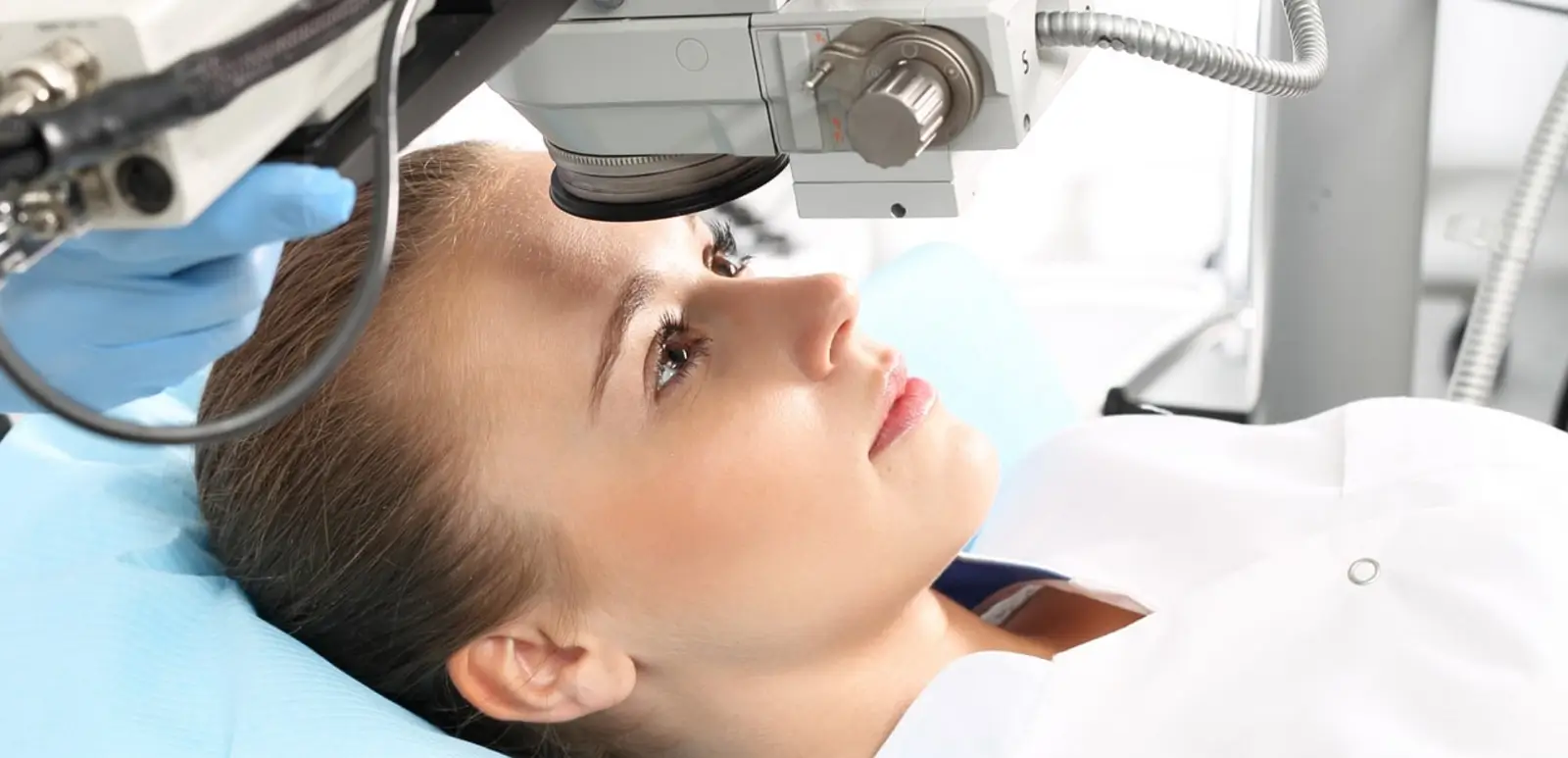
Glaucoma management has also evolved well beyond eye drops. Laser treatments, micro-invasive glaucoma surgery (MIGS), and drainage implants now give ophthalmologists a wider set of tools to lower intraocular pressure and preserve the optic nerve before irreversible damage occurs.
Retinal and corneal disorders – from diabetic macular edema to keratoconus — require highly specialized diagnostics and treatment. Anti-VEGF injections, corneal cross-linking, and transplant procedures all fall within the scope of a comprehensive eye care practice, which is why access to subspecialists matters so much.
Refractive Surgery: More Options Than You Think
LASIK gets the most attention, but it’s not the only path to reducing dependence on glasses or contacts. PRK reshapes the cornea without creating a flap, making it a better fit for patients with thinner corneas or active lifestyles with higher impact risk. ICL (implantable collamer lens) takes a different approach entirely, placing a biocompatible lens behind the iris without removing any corneal tissue. It’s particularly well-suited for patients with high prescriptions who fall outside the range for laser correction.
The right procedure depends on corneal thickness, prescription stability, pupil size, and lifestyle. A thorough evaluation and honest conversation about expectations separates a great refractive surgery experience from a disappointing one.
Optical Services and Oculoplastic Care
Prescription eyewear remains a daily necessity for millions of people, and the quality of your lenses and frames affects comfort, clarity, and even safety. A practice with integrated optical services can fill prescriptions immediately after an exam, ensure lens coatings and measurements are precise, and adjust fit without a separate trip to an outside retailer.

Oculoplastic treatments occupy a unique intersection of ophthalmology and reconstructive surgery. Conditions like ptosis (drooping eyelids), excessive tearing, orbital tumors, and eyelid malposition are both functional and cosmetic concerns. Oculoplastic surgeons understand the delicate anatomy around the eye in a way that general plastic surgeons often don’t, which translates to better preservation of eye function alongside improved appearance.
Choosing a Practice That Covers the Full Spectrum
Eye health isn’t a single appointment – it’s a relationship that unfolds over decades. The practice you choose at 35 for a routine exam may be the same one performing your cataract procedure at 65 or managing a retinal condition at 70. That continuity matters. When your records, imaging history, and treatment plan all live in one place, nothing falls through the cracks.
Look for a team that pairs advanced diagnostic technology with a genuine willingness to explain what they find and what it means. The best outcomes in eye care don’t come from the most expensive equipment alone. They come from experienced providers who treat the whole patient, communicate clearly, and plan for the long term.